
Best Time to Visit Rome on a Mid-Range Budget (Weather, Crowds & When Hotels Are Cheapest)
- Rome
- Italy
- Best Time to Visit
- Mid-Range
- Travel Planning
The best time to visit Rome mid-range: a month-by-month guide to weather, crowds and when hotels are cheapest, with the shoulder-season value sweet spots.
The honest answer to the best time to visit Rome on a mid-range budget is two narrow windows: roughly mid-April to early June and September to early October. That's when the weather is genuinely good, the days are long, and a 3-star room still costs noticeably less than it does at the July peak. It's the best comfort-per-euro the city offers — the sweet spot where you're not sweating through your shirt at the Forum and not paying a 40% summer surcharge to do it.
But "shoulder season" in Rome comes with an asterisk most timing guides skip, and the genuinely cheapest months (January and February) come with their own trade-offs. This is a value-first, month-by-month read: what each part of the year buys you in weather, crowds and nightly rate — and which window fits your priority, whether that's the lowest price, the best weather, or the thinnest crowds.
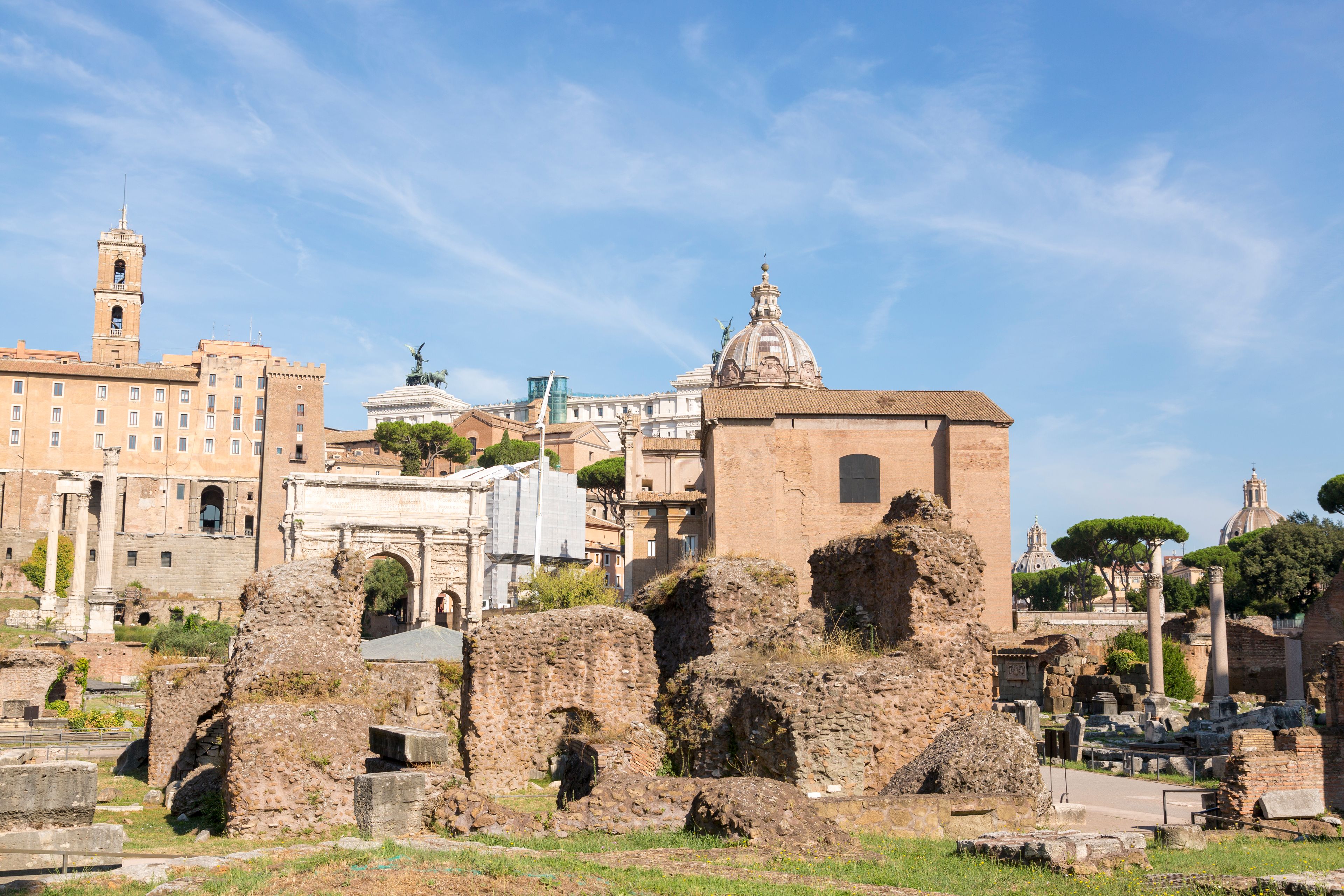
The one-line answer, then the catch
If you want the short version: book late April through May, or late September into early October. You get daytime highs in the comfortable low-20s Celsius, the long evenings that make Rome Rome, and mid-range rates that sit roughly 10-25% under the summer peak (Machu Picchu – Best Time to Visit Rome 2026). On the standard "weather plus price" math, nothing beats it.
Here's the catch, and it's the thing experienced visitors will tell you that the glossier guides won't: Rome barely has a true shoulder season anymore. Local experts put it bluntly — the city "zoom[s] from low to high season really quickly," and what used to be the quiet edges of spring and autumn are now "still pretty busy" (Romewise). April and early-to-mid September are no longer a secret. You'll still get the good weather and the softer rates, but don't expect an empty Trevi Fountain in May.
So the real decision isn't "shoulder vs. peak." It's: which one thing are you optimizing for — price, weather, or crowds — because in Rome you rarely get all three at once.
The seasons, ranked for value
Let's frame the year the way a mid-range traveler actually weighs it: comfort-to-price ratio.
Shoulder season (mid-Apr-early Jun, Sep-early Oct) — the value sweet spot
This is the answer for most people, and it earns the title. Spring runs mild and green; climate references peg the best stretch as "mid-April to mid-June and from September to early October," with daytime temperatures broadly in the 18-25°C band (Climates to Travel – Rome; Visit Rome). May averages around 22-25°C by day — warm enough for a gelato-paced evening, cool enough to walk the whole centro without melting. Late September and October cool gently from the high 20s into the low 20s, and October is the month a lot of Rome guides quietly name as their favorite for the weather (Walks Inside Rome).
On price, these months run roughly 10-25% below the summer peak for the same mid-range room, with the discount deepening as you move into late October (Machu Picchu – Best Time to Visit Rome 2026). That's the value case in one line: near-peak weather, sub-peak rates.
The honest trade-off: crowds. These windows are popular precisely because they're good, so the famous sights stay busy and the best-value hotels book out early. And spring hides two specific spikes — see the caveats below.
Best for: the traveler who wants the strongest all-round trip and will book a couple of months ahead to lock the rate.
Peak season (Jun-Aug) — pay more, sweat more
Summer is when the comfort-to-price ratio is at its worst. June still has charm but tips into the heat; July and August bring daily highs around 31°C that "frequently reach 37-38°C," on a thermometer that has touched 41°C (Climates to Travel – Rome). Crowds hit their annual maximum — one 2026 estimate puts July at 70,000-80,000 daily visitors in the central zones (Machu Picchu – Best Time to Visit Rome 2026) — and rates carry a 30-40% premium over the off-season (Visit Rome; Machu Picchu – Best Time to Visit Rome 2026).
You're paying the most, in money and discomfort, for the same monuments. If summer is your only option, plan around it: see the headline sights at opening or after 5pm, and budget for a hotel with reliable air-conditioning rather than the cheapest room you can find.
August deserves its own warning (below) — it's the one month I'd actively steer a flexible traveler away from.
Best for: travelers locked to a school-holiday window, and heat-tolerant visitors who genuinely want long, bright, late-sunset days and don't mind the crowds.
Low season (Nov-Mar) — the genuinely cheapest window
Here's where the lowest numbers live. From November through March, mid-range rates run 30-40% below the summer peak, and January and February are the cheapest months of the year — some sources put winter rates as much as 50% under summer for the same room (Visit Rome; Machu Picchu – Best Time to Visit Rome 2026). January is also Rome's quietest month — central crowds can drop to as few as ~15,000 a day (Machu Picchu – Best Time to Visit Rome 2026). A 3-star double that's €150-180 in summer can sit around €110-140 in deep winter (Machu Picchu – Rome Budget Guide 2026).
The trade-off is real, not cosmetic. Winter is "quite chilly and damp, with occasional rain" — daytime highs hover around 12-13°C and nights drop toward 4°C (Walks Inside Rome; Climates to Travel – Rome). Autumn and winter are also the wettest stretch, November especially (Climates to Travel – Rome). Daylight is short. None of that ruins Rome — the sights are indoors-adjacent and the queues evaporate — but you're trading weather for the year's best price.
The big exception: Christmas through Epiphany (Jan 6) is high season, with rates jumping back up 20-30% over normal winter pricing; the week before Christmas is still cheap (Machu Picchu – Rome Budget Guide 2026; Tripadvisor – Rome forum, Christmas/NYE 2025/2026).
Best for: value-first travelers who'll trade cold and rain for the lowest rates and the emptiest streets — and a sweater-wearing romantic off-season Rome.
Best time to visit Rome mid-range: the month-by-month table
This is the table the weather-only guides leave out — every month rated on the thing a mid-range traveler is actually deciding. Price bands are relative to Rome's own summer peak (▲▲▲ = peak / most expensive; ▲▲ = mid; ▲ = lowest), not absolute euro figures, which shift year to year and around events.
| Month | Typical daytime high | Crowds | Mid-range price band | Value verdict |
|---|---|---|---|---|
| January | ~12°C | Lowest (post-Epiphany) | ▲ Lowest | Cheapest + quietest — if you'll take cold and rain; avoid the Christmas-Epiphany spike |
| February | ~13°C | Low | ▲ Lowest | Joint-cheapest; cold but the best price-per-room of the year |
| March | ~15°C | Low → rising | ▲–▲▲ | Improving and still cheap early; watch the Marathon (22nd) + Holy Week building |
| April | ~18-20°C | High | ▲▲ | Lovely weather, not quiet — Easter (5th) + Natale di Roma (21st) spike it |
| May | ~23-25°C | High | ▲▲ | Top weather-value pick — warm, long days, sub-peak rates |
| June | ~26-30°C | High → peak | ▲▲–▲▲▲ | Early June still good; rates and heat climbing fast |
| July | ~31-33°C | Peak | ▲▲▲ Peak | Hot and packed at top prices — worst comfort-per-euro |
| August | ~31°C+ (often 35°C+) | Peak crowds + local closures | ▲▲▲ Peak | Avoid if flexible — heat, crowds and shuttered neighborhood spots |
| September | ~26-28°C → cooling | High (early) → easing late | ▲▲ | Great weather; early month still busy, late Sept is the smarter cut |
| October | ~21-23°C | Easing | ▲▲ → ▲ | Best all-round month — fine weather, thinning crowds, softening rates |
| November | ~16-17°C | Low | ▲ | Cheap and quiet, but the wettest month — pack a jacket |
| December | ~12-14°C | Low, then spikes | ▲ → ▲▲▲ late | Cheap until ~20th, then Christmas/NYE jumps to peak pricing |
Sources for the figures above: Climates to Travel – Rome, Visit Rome, and Machu Picchu – Best Time to Visit Rome 2026. Temperature ranges are typical averages; any given week can run warmer or cooler.
The honest caveats (the stuff that moves your price and your trip)
Shoulder season isn't a secret anymore
Worth repeating because it changes expectations: the "come in spring or autumn to beat the crowds" advice is half-true now. The weather and the softer rates are real; the emptiness mostly isn't. Rome "barely has a true shoulder season" and jumps quickly from low to high, with early September and October "still pretty busy" (Romewise). If thin crowds are your top priority — not price, not weather — winter is the only window that reliably delivers them. If you want the shoulder-season value without the worst of the spring crush, aim for mid-to-late May or the last week of September into October, the calmer edges of the good-weather band.
August: heat, crowds and closures
August is the one month I'd talk a flexible traveler out of. The heat is the headline — highs around 31°C that often push past 35°C (Machu Picchu – Best Time to Visit Rome 2026) — but the quieter problem is Ferragosto, the August 15 holiday around which much of working Rome shuts down. Many family-run shops and restaurants close for one to two weeks, or even the whole month, as Romans head to the coast (Summer in Italy – Ferragosto; Tickets Rome – Rome in August). The historic-center tourist machine mostly stays open, so you won't go hungry — but the local Rome you came for is partly on holiday, while international crowds peak. It's the rare month with maximum crowds and reduced choice (Machu Picchu – Best Time to Visit Rome 2026). One upside: with locals away, some hotels trim rates slightly mid-August — a thin silver lining on an otherwise tough month.
Holiday and event spikes that override the season
A handful of dates blow past the normal seasonal pattern on both crowds and price — plan around them or into them deliberately:
- Holy Week & Easter (Easter Sunday is April 5, 2026): the single biggest spring surge. Hundreds of thousands of pilgrims arrive, and rates can run 40-50% above normal spring pricing (Machu Picchu – Best Time to Visit Rome 2026; Free Walking Tour – Easter in Rome 2026). Book months out or step around it.
- Rome Marathon — Sunday, March 22, 2026: ~30,000 runners and road closures across the center, with the Saturday Fun Run too (Run Rome The Marathon – official; Romeing – Rome Marathon 2026). Great atmosphere, awkward logistics.
- Natale di Roma — April 21: Rome's birthday brings parades, re-enactments and free civic museums, which also means the Colosseum and Vatican are extra busy (Wanted in Rome – Natale di Roma; Romeing – Natale di Roma).
- Christmas to Epiphany (through Jan 6): the winter exception — peak pricing in the otherwise-cheapest stretch (Machu Picchu – Rome Budget Guide 2026).
A 2026-specific note
2025 was a Catholic Jubilee (Holy Year), which drew an estimated 30-35 million visitors and pushed accommodation hard (Radical Storage – Is Rome Expensive? 2025 Jubilee). The good news for 2026: you get the Jubilee-era infrastructure upgrades — like the enlarged, pedestrianized Piazza Pia near the Vatican — without Jubilee-level crowds, since the Holy Year has wound down (Islands – 5 Major Changes in Rome 2026). I'd still treat any major papal event or religious holiday as a potential surge and check the calendar for your specific dates before booking.
How to pick your window (by what you care about most)
Rome rarely gives you cheap and warm and empty at once, so choose your one priority:
- Lowest price, full stop? January or February. Cheapest rooms, thinnest crowds — you're buying the price by accepting cold and rain. Skip the Christmas-to-Epiphany spike.
- Best weather for the money? May, or late September into October. Comfortable highs, long evenings, and rates 10-25% under the summer peak. The strongest all-round value, and the answer for most mid-range travelers.
- Fewest crowds (and you'll bundle up)? November or deep winter (excluding the holidays). This is the only window that reliably delivers quiet now that the shoulder months don't.
- You want the best single month? October. It threads the needle better than any other — decent weather, easing crowds, softening prices.
- Locked to summer? Make it June, not August, and pay for air-conditioning over square footage.
Once you've settled on a window, the move is to compare live rates across your candidate months for central Rome — the price gap between, say, late May and mid-July is often the difference between two very different trips. This Stay22 map pulls mid-range options across the major booking sites for the central core so you can sanity-check the bands above against real dates:
And because this is a timing decision you'll likely book later, you don't need to commit today. When your dates firm up, check live mid-range rates in central Rome for your chosen window on Expedia — handy for pricing a few candidate weeks side by side before you lock anything in.
Where you stay matters as much as when. For the area-by-area breakdown, see our guide to where to stay in Rome on a mid-range budget and, if it's your first trip, the best areas for first-timers.
FAQ
What is the cheapest time to visit Rome? January and February — the lowest hotel rates of the year, often 30-50% under the summer peak, plus the thinnest crowds (Visit Rome). The trade-off is cold, damp, short days, and you should avoid the Christmas-to-Epiphany window, which spikes back to peak pricing. The week before Christmas is still cheap.
What's the best month to visit Rome for weather and value combined? May or October. Both give you comfortable daytime highs in the low-20s Celsius, long-ish days, and mid-range rates roughly 10-25% below the July peak (Machu Picchu – Best Time to Visit Rome 2026). October has a slight edge on crowds as the summer rush finally eases.
Is the shoulder season in Rome actually quiet? Not really, anymore. You'll get the good weather and softer rates, but local experts note Rome "barely has a true shoulder season" and that early September and October stay "pretty busy" (Romewise). For genuinely thin crowds, winter (outside the holidays) is the only reliable window.
Should I avoid Rome in August? If you're flexible, yes. August brings the worst combination: heat that often tops 35°C, peak international crowds, and Ferragosto (Aug 15) closures, when many family-run shops and restaurants shut for one to two weeks (Summer in Italy – Ferragosto). The tourist-center stays open, but you lose much of the local Rome you came for.
How far ahead should I book a mid-range hotel? For the good-weather and event windows, book roughly 60-90 days out — that's where shoulder-season advance discounts tend to be biggest, around 20-25% off last-minute rates (Machu Picchu – Rome Budget Guide 2026). For Easter, Christmas/New Year, or a Marathon weekend, book several months ahead — those sell out and surge regardless of season.
Found your window?
Pick your priority first — price, weather, or crowds — then your dates, then compare. The biggest mistake mid-range travelers make in Rome isn't choosing the "wrong" month; it's not checking how much the same room swings between months and booking on autopilot. Use the map above to compare live rates across your candidate weeks, lean toward May, October, or deep winter depending on what you're optimizing for, and you'll get the best comfort-per-euro Rome has to give.
Planning the rest of the trip? Our mid-range Rome travel guide ties timing, neighborhoods and budgets together, and our 3-day Rome itinerary maps out what to actually do once you've picked your dates.
Sources
- Climates to Travel — Rome climate, seasons and when to go: climatestotravel.com
- Visit Rome — Best Time to Visit Rome: weather, crowds & prices: visitrome.com
- Machu Picchu — Best Time to Visit Rome 2026 (seasonal planning): machupicchu.org
- Machu Picchu — Rome Budget Guide 2026 (cost breakdown): machupicchu.org
- Romewise — Best Time to Visit Rome (local expert tips): romewise.com
- Walks Inside Rome — The best time to visit Rome: walksinsiderome.com
- Summer in Italy — Ferragosto, or why Italy closes in August: summerinitaly.com
- Tickets Rome — Rome in August (Ferragosto & tips): tickets-rome.com
- Free Walking Tour — Easter in Rome 2026: a guide to Holy Week: freewalkingtour.com
- Run Rome The Marathon — official event site (22 March 2026): runromethemarathon.com
- Romeing — Rome Marathon 2026: romeing.it
- Wanted in Rome — Rome museums free for Natale di Roma (21 April): wantedinrome.com
- Romeing — Natale di Roma celebrations: romeing.it
- Tripadvisor — Rome forum, Christmas & New Year 2025/2026: tripadvisor.com
- Radical Storage — Is Rome Expensive? The 2025 Jubilee cost guide: radicalstorage.com
- Islands — 5 Major Changes in Rome for 2026 visitors: islands.com