Where to Stay in Rome on a Mid-Range Budget: Best Neighborhoods for Comfort & Value
- Rome
- Italy
- Where to Stay
- Mid-Range
- Value
Where to stay in Rome mid-range: the best neighborhoods for comfort and value, area by area, with honest trade-offs and a clear pick for most travelers.
In Rome, the question of where to stay mid-range isn't really about finding the cheapest room — it's about buying the best location per euro. The city's historic core is walkable end to end, the metro deliberately skirts most of it, and the difference between a great trip and a tiring one usually comes down to how far you have to schlep at the end of the day. Spend your money on where you sleep, not on a slightly nicer room two neighborhoods out.
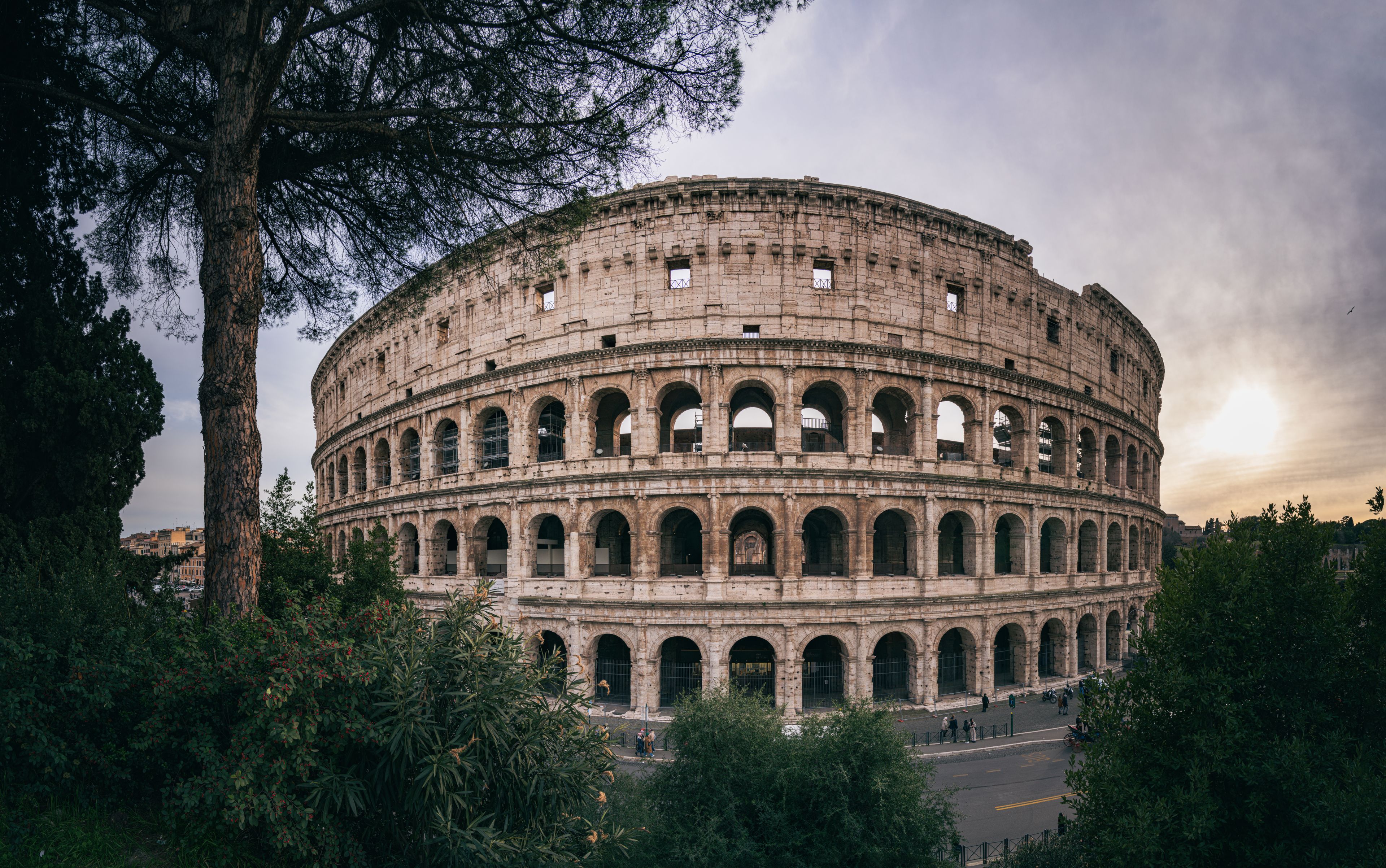
Short on patience? Book a quiet street in Monti. It sits one block off the Colosseum's edge, has its own metro stop (Cavour), keeps a genuine village feel, and is stuffed with characterful 3-4 star hotels at fair central-Rome prices. It's the safest "I want central, walkable, and not overpriced" pick for most mid-range travelers. The rest of this guide is for working out whether somewhere else fits your trip better — because Rome rewards matching the neighborhood to the traveler.
First, the one rule that makes Rome's neighborhoods make sense
Before the area-by-area rundown, the single fact that should drive your booking: in Rome, a central location beats metro access. The metro is only two real lines (A and B), and it intentionally avoids the historic center to dodge the archaeology underneath — so the Pantheon, Piazza Navona and Campo de' Fiori have no nearby station at all (Santorini Dave). You'll walk far more than you'll ride. As Rome guides put it bluntly, it's "far more important to have a centrally located hotel than one that is right next to a metro station" (Walks Inside Rome).
That reframes "value." A budget room a 25-minute metro-plus-walk from the sights isn't a bargain once you've blown your evenings on transfers and your mornings on getting back in. The mid-range sweet spot is a comfortable 3-4 star inside (or one tram stop from) the walkable core. For reference, mid-range travelers typically budget roughly €80-120 a night for a 3-star in Rome, with 4-stars averaging higher and climbing steeply in peak season (Budget Your Trip; Machu Picchu – Rome Budget Guide 2026). Throughout this guide, price bands are: $ = lower mid-range, $$ = typical mid-range, $$$ = top of mid-range / boutique.
For the bigger picture, see our full mid-range Rome travel guide. Now, where to actually sleep.
Monti — the best all-rounder for value and charm
If you want one neighborhood that does almost everything well, it's Monti. Tucked between the Colosseum and Termini, it manages the trick most central areas can't: it's a real neighborhood — "hip, bohemian, with artisan shops and cool wine bars," in Santorini Dave's words (Santorini Dave) — while sitting steps from the Forum and Colosseum. Critically for the mid-range traveler, it has its own metro stop (Cavour, Line B), so you get walkability and a quick ride to Trastevere-side connections or the airport train at Termini.
This is the band where Monti genuinely shines: design-forward guesthouses and boutique hotels with exposed brick, rooftop terraces and individual rooms, at prices that undercut the Centro Storico for comparable comfort (Santorini Dave).
Who it suits: pretty much everyone — couples, friends, repeat visitors who want atmosphere without paying the postcard premium. The trade-off: Monti is hilly and can get a little loud on weekend nights around the busier bars (Go Ask A Local) — pick a street like Via del Boschetto's quieter end if you're a light sleeper. Metro/walkability: Cavour (Line B), plus walking distance to the Colosseum, Forum and Monti's own lanes.
Where the mid-range money goes:
- $$ — Mid-range: Hotel Grifo is the value standout, tucked on a quiet street in Monti's village core with a fifth-floor rooftop terrace over the tiled roofs; The Fifteen Keys Hotel is a stylish boutique pick a four-minute walk from Cavour metro (Santorini Dave; Hotels Rome).
- $$$ — Boutique / top mid-range: FH55 Grand Hotel Palatino sits five minutes from the Colosseum and a hundred metres from Cavour metro, and the DoubleTree Rome Monti (on the Esquilino edge) brings a reliable modern room and a rooftop bar.
Check live rates for Hotel Grifo on Booking.com →Our mid-range pick for most travelers: Hotel Grifo — quiet Monti street, a rooftop view of the rooftops, a metro stop around the corner, and a genuinely central address at a fair price. It's the "central + quiet + walkable" combo this whole guide is built around.
Trastevere — the charm-value sweet spot (if you'll trade the metro)
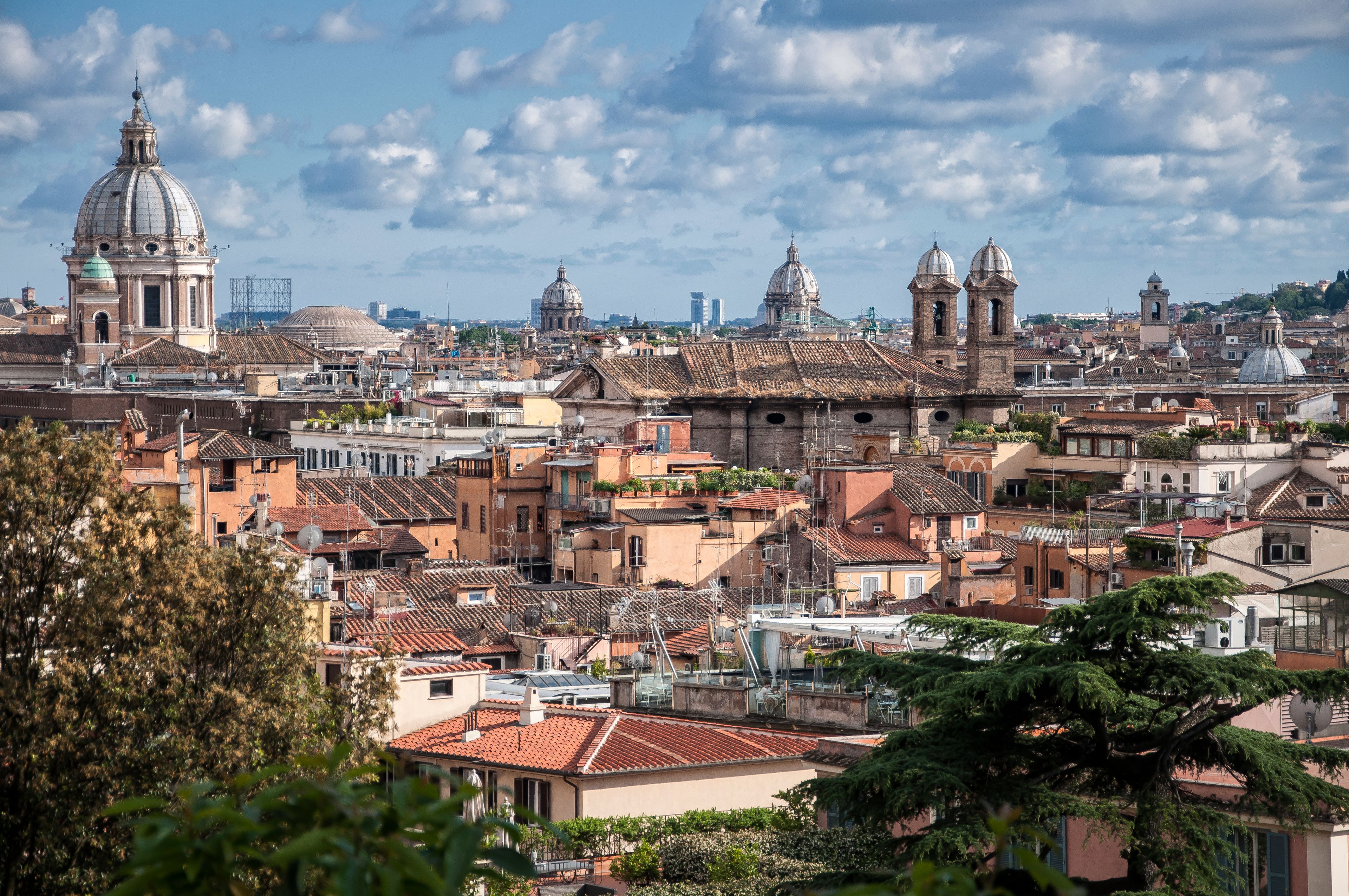
Across the river, Trastevere is the Rome of the imagination: medieval alleys, ivy-draped facades, a famously lively restaurant-and-nightlife scene, and a square (Santa Maria in Trastevere) made for an evening Aperol. Your money also goes a touch further here than in the dead-center: it's "generally cheaper to stay" than the Historic Center, with more B&Bs and guesthouses in the mid-range (Santorini Dave). That's the value case — charm-per-euro rather than convenience-per-euro.
Who it suits: couples and friends who want atmosphere and a great dinner downstairs, night owls, and anyone happy to walk or tram into the sights rather than ride a metro. The trade-off: two real ones. There's no metro — the nearest stops are a 20-25 minute hike or a tram ride away, so you'll lean on Tram 8 and buses across the river (Wheatless Wanderlust; Walks Inside Rome). And it gets genuinely loud at night with youth-oriented nightlife (Go Ask A Local) — book a room off the main bar drags. Metro/walkability: no metro; Tram 8 + buses; ~15-20 minute walk to Campo de' Fiori and the historic center.
Where the mid-range money goes:
- $$ — Mid-range: Hotel Santa Maria wraps its rooms around a quiet courtyard of orange trees — a rare pocket of calm in the busiest part of the quarter — and Hotel San Francesco is a long-loved charming boutique with a rooftop bar (The Intrepid Guide).
- $$$ — Boutique / top mid-range: Horti 14 Borgo Trastevere is a modern, stylish option with a garden, on the calmer southern fringe near Trastevere station and its onward rail links.
Trying to decide between these two? See our Trastevere vs Monti comparison.
Centro Storico — the location premium, examined honestly
The Centro Storico — the Pantheon, Navona and Campo de' Fiori triangle — is the most walkable address in Rome: roll out of bed and you're in the postcard. That's the whole pitch, and for time-pressed visitors it's a real one. But be clear-eyed about the cost. Hotels here run "expensive," the streets are "constantly crowded," and the dining nearest the famous piazzas is heavy on tourist traps (Go Ask A Local). You are paying a steep location premium — and on a mid-range budget, you'll often get a smaller, plainer room here than the same money buys in Monti or Prati.
There's an honest mid-range case for it anyway: if your trip is short and walking out your door into ancient Rome is the point, the premium can be worth it. Just go in knowing you're buying steps-from-the-Pantheon, not square footage.
Who it suits: first-timers on a short stay who want maximum walkability and will pay for it; people who'd rather wander home than ride anything. The trade-off: the price-per-comfort is the worst in the city, crowds are constant, and the cobblestone lanes are a genuine drag with a wheeled suitcase — factor in a taxi to the door on arrival. Metro/walkability: essentially no metro (the lines skirt the core); peak walkability to every central sight.
Where the mid-range money goes:
- $$ — Mid-range: Albergo del Senato looks straight out at the Pantheon and is a dependable mid-range address for the location; Nikis Collection Navona and HT6 Hotel are well-placed central picks (Santorini Dave).
- $$$ — Boutique / top mid-range: Hotel Nazionale, a four-star a short walk from Piazza Navona by Palazzo Montecitorio, is a polished splurge-end-of-mid-range option in the thick of it (Expedia – Piazza Navona hotels).
This is also the first-timer's classic dilemma — central premium vs. value. We weigh it in full in our first-timer's where-to-stay guide.
Prati — quiet residential value by the Vatican
Prati is the grown-up's choice: an elegant, early-20th-century grid of wide streets, good shopping on Via Cola di Rienzo, and an everyday Roman calm that the center simply doesn't have. It sits right by the Vatican and — unusually for a central-ish Rome neighborhood — it has proper metro access, with Ottaviano and Lepanto on Line A (Just Roma). The value angle here is comfort and quiet for the euro: "affordable and pretty good value" rooms, less touristy than its Vatican neighbor would suggest (Santorini Dave).
Who it suits: families, couples and older travelers who want a calm, safe base, a real night's sleep, and a metro stop — and don't mind a ride or a walk to the historic center. The trade-off: it's "not historic and feels less distinctly Roman" (Go Ask A Local), and beyond the Vatican there's little to see on the doorstep — you'll commute (pleasantly) to the rest of the sights. Metro/walkability: Ottaviano and Lepanto (Line A); flat, easy walking; ~25-30 minutes on foot to the Pantheon or a short metro hop.
Where the mid-range money goes:
- $$ — Mid-range: Hotel dei Consoli Vaticano sits 400 metres from Ottaviano metro with a rooftop terrace, and Orazio Palace Hotel offers modern rooms and a garden about 600 metres from Lepanto metro (Booking.com – Vaticano Prati district; Just Roma).
- $$$ — Boutique / top mid-range: Starhotels Michelangelo, steps from St. Peter's, is the reliable upper-mid-range pick for travelers who want polish near the Vatican.
Traveling as a couple or a family? See where couples should stay in Rome and the best Rome areas for families.
Testaccio — the foodie's value play (for repeat visitors)
Testaccio is Rome's best-kept value secret — a former working-class district turned gastronomic heartland, where carbonara and coda alla vaccinara were arguably born and the Testaccio Market is a daily temple to Roman cooking (Roma Pass – Testaccio). It runs cheaper than the center, keeps a genuine local rhythm, and — bonus — has a metro stop on its edge (Piramide, Line B) and the Ostiense station for the airport (Just Roma – Testaccio). For the right traveler, it's the best food-per-euro base in Rome.
Who it suits: food-obsessed travelers and repeat visitors who've "done" the center and want to eat where Romans eat; night owls (Monte dei Cocci's clubs and bars are right here). The trade-off: it's honest about itself — "not very pretty," few hotels (mostly guesthouses and apartments), and it's not walking distance to the main sights (Go Ask A Local). The nightlife also means weekend noise near the club strip. Metro/walkability: Piramide (Line B) on the edge; you'll metro or tram to the central sights rather than walk.
Where the mid-range money goes:
- $$ — Mid-range: Hotel Santa Prisca, on the quieter Aventine-side edge of Testaccio, gives you a calm garden and a proper hotel rather than a guesthouse; Bob W Testaccio offers modern apartment-style stays handy for self-caterers near the market (Santorini Dave).
- $$$ — Boutique / top mid-range: options thin out fast at the top of the band here — for a genuine 4-star you'll likely look just over the line to the Aventine hill above Testaccio.
Termini — lowest mid-range prices, best transport (mind the blocks)
Don't dismiss Termini on reputation alone. The area around Rome's main station has quietly become one of the city's best-value hotel districts: you get unbeatable transport — both metro lines (A and B) intersect here, plus every airport train and bus — Monti's restaurants next door, and rooms that run meaningfully below the Centro Storico (Rome Hotels). On a tight mid-range budget that buys real comfort, you simply trade a pretty front door for a practical one.
Who it suits: value-first travelers, anyone with an early train or flight (no luggage-dragging across town), and short-stay visitors who'll be out all day and just want a clean, well-connected base. The trade-off: the blocks immediately around the station can feel gritty and tourist-trappy. The fix is simple — book two streets in, ideally toward Via Cavour, Via Nazionale or the Monti side, and the picture changes completely (Rome Hotels). Metro/walkability: the hub — Lines A + B, all airport links; a longish but doable walk to the historic center, or one metro stop to Monti/Colosseo.
Where the mid-range money goes:
- $$ — Mid-range: Hotel Artemide on Via Nazionale is the perennial value-with-comfort pick (big rooms, good soundproofing), and iQ Hotel Roma is a smart, modern choice a couple of minutes from the station (Rome Hotels).
- $$$ — Boutique / top mid-range: UNAHOTELS Decò Roma brings an art-deco four-star polish while keeping the transport convenience.
Where to stay in Rome mid-range: neighborhoods at a glance
| Neighborhood | The value it offers | Best for | Main trade-off | Metro access | Mid-range price band |
|---|---|---|---|---|---|
| Monti | Central + walkable + charm without the postcard premium | Most mid-range travelers; couples, repeat visitors | Hilly; some weekend bar noise | Cavour (Line B) | $$–$$$ |
| Trastevere | Charm-per-euro; cheaper than the center | Nightlife, dinners, atmosphere-seekers | No metro; loud at night | None (Tram 8 + buses) | $$–$$$ |
| Centro Storico | Peak walkability — you're in it | Short-stay first-timers who'll pay for location | Priciest per comfort; crowds; cobblestone luggage drag | None (lines skirt the core) | $$–$$$ |
| Prati | Quiet residential comfort + real metro | Families, couples, light sleepers | Less "Roman"; commute to the sights | Ottaviano / Lepanto (Line A) | $$ |
| Testaccio | Best food-per-euro; local life | Foodies, repeat visitors, night owls | Few hotels; not pretty; not central | Piramide (Line B, on the edge) | $$ |
| Termini | Lowest mid-range prices; best transport | Value-first; early train/flight; short stays | Gritty right by the station | Lines A + B (the hub) | $–$$ |
How to choose, by what you care about most
- Want the best all-round value (central, walkable, fair price)? Monti.
- Here for the charm, the dinners and the nightlife — and you'll walk or tram? Trastevere.
- Short trip, and stepping out into ancient Rome is the whole point? Centro Storico — eyes open on the premium.
- Want quiet, a real night's sleep, and a metro stop? Prati.
- Eating your way through Rome on a repeat visit? Testaccio.
- Lowest price, best transport, early departure? Termini — just book two streets off the station.
Whichever you pick, the mid-range rule holds: choose the most central room your budget allows over the fanciest room further out, and you've already won the hardest part of a Rome trip.
FAQ
Where should most mid-range travelers stay in Rome? Monti, for the majority. It's central and walkable (five minutes from the Forum), keeps a real neighborhood feel, has its own metro stop at Cavour, and its 3-4 star boutiques offer better value than the Centro Storico. Prati is the best alternative if you want quiet and a metro stop over being in the thick of it.
Is it worth staying in the Centro Storico on a mid-range budget? Only if your trip is short and being able to walk out into the Pantheon-and-Navona core is your priority. You'll pay a steep location premium and usually get a smaller, plainer room than the same money buys in Monti or Prati. For longer or value-focused stays, sleep a few minutes out and walk in.
Does it matter that Trastevere and the historic center have no metro? Less than you'd think. Rome's center is compact and made for walking, and the metro skips it anyway — so a central, walkable base beats a metro-side one. Trastevere leans on Tram 8 and buses; the historic center you simply walk. Only choose a metro-stop neighborhood (Prati, Monti, Termini) if quick rides genuinely matter to you.
Which Rome neighborhood is best value for money? Termini for the lowest mid-range nightly rates plus the best transport, and Testaccio for the best food-and-local-life value — both run below Centro Storico prices. Monti is the value pick if you also want to be central and walkable. Book two streets in from Termini station for the best atmosphere.
Is the area around Termini station safe? Generally yes, with the usual big-station caveats. The blocks right by the station can feel gritty and pickpocket-aware, but two streets in — toward Via Cavour, Via Nazionale or Monti — it improves dramatically. Choosing a hotel slightly off the station gets you the transport perks without the grime.
Ready to book?
Pick your neighborhood first, then your hotel — in that order. Use the maps above to compare what's actually free on your dates, lean toward the most central room your budget allows, and check live mid-range rates for your chosen area before you commit. Do that and Rome stops being a logistics puzzle and starts being the walk-everywhere city it's meant to be.
Planning the wider trip? Our mid-range Rome travel guide ties the neighborhoods, sights and budgets together.
Sources
- Santorini Dave — Where to Stay in Rome: The 8 Best Neighborhoods: santorinidave.com
- Go Ask A Local — Where to Stay in Rome (a local's neighborhood guide): goaskalocal.com
- Walks Inside Rome — Rome Metro stations for main attractions: walksinsiderome.com
- The Intrepid Guide — Best Hotels in Trastevere, Rome: theintrepidguide.com
- Wheatless Wanderlust — Where to Stay in Rome: wheatlesswanderlust.com
- Just Roma — Where to sleep in Prati: justroma.it
- Just Roma — Where to sleep in Testaccio: justroma.it
- Booking.com — Vaticano Prati district guide: booking.com
- Roma Pass — Testaccio neighborhood guide: roma-pass.com
- Rome Hotels — Best hotels near Rome Termini Station 2026: romehotels.it.com
- Hotels Rome — Best hotels in Monti for every budget: hotelsrome.info
- Expedia — Hotels closest to Piazza Navona: expedia.com
- Budget Your Trip — Hotel prices for Rome, Italy: budgetyourtrip.com
- Machu Picchu — Rome Budget Guide 2026: machupicchu.org