Best Areas to Stay in Kyoto for First-Timers (Mid-Range & Comfortable)
- Kyoto
- Japan
- Where to Stay
- First-Timers
- Mid-Range
The best areas to stay in Kyoto for first-timers on a mid-range budget: a clear default pick, the areas to avoid basing in, and who each neighborhood suits.
The hardest part of a first Kyoto trip isn't the temples or the train from the airport — it's picking where to sleep before you understand how the city is laid out. And Kyoto punishes a wrong guess: the sights are scattered across the whole city and out onto its edges, the subway is only two lines, and you'll lean on buses that crawl in peak season (Go Ask A Local; Japan Guide). Base in the wrong spot and you'll burn an hour a day just getting back into the middle of things. So the single most useful thing to get right, especially on a trip you'll probably only do once for a while, is your first-timer area — central, walkable, well-connected — not a slightly nicer room somewhere out of the way.
First time in Kyoto? Base yourself in Downtown Kawaramachi. It's the most central, most walkable part of the city, it has the densest stock of comfortable mid-range hotels, Nishiki Market and a thousand restaurants are on the doorstep, and you can reach both subway lines plus two private rail lines within a few minutes' walk. It's the lowest-regret pick for a newcomer. The one exception: if you're arriving from Osaka, doing day trips, traveling luggage-heavy, or only have a night or two, Kyoto Station earns its keep on transport alone. The rest of this guide is about whether one of those — or somewhere quieter — fits your first trip better, and which areas first-timers should think twice about basing in.
First, the one thing about Kyoto that should drive your booking
Before the area-by-area part, the fact that makes everything else make sense: Kyoto's sights are spread out, and the public transport is thinner than the city's size suggests. As one local guide puts it, "Kyoto's main sights are spread out all over the city and often on its edges… there's no one area from where you can easily do all of your sightseeing, and certainly not entirely on foot" (Go Ask A Local). Japan Guide is blunter still, calling Kyoto's transport "rather inadequately developed… for a city of its size" — two subway lines plus a bus network whose connections can be awkward (Japan Guide).
What that means in practice for a first-timer:
- The subway is two lines. The Karasuma Line runs north–south (it hits Kyoto Station); the Tozai Line runs east–west; they cross at Karasuma Oike (Japan Guide). That's it. Most temples aren't near either.
- You'll use buses a lot. "Few of Kyoto's tourist attractions are located close to subway or train stations," so the bus network does the heavy lifting to the famous shrines and temples — and it gets crowded (Japan Guide; Go Ask A Local).
- Get one IC card and forget about tickets. An ICOCA (or any Suica/PASMO-type card) works on virtually all Kyoto trains and buses — tap on, tap off (Japan Guide).
- Skip the Japan Rail Pass logic for getting around Kyoto. It's built for intercity travel and does little for daily sightseeing inside the city (Japan Guide). Don't let it push you toward an inconvenient base.
The upshot: pick one central base and stick to it. A comfortable 3–4 star in or beside the walkable downtown core beats a prettier or cheaper room you have to commute out of every morning. For reference, mid-range hotels in Kyoto run roughly $100–200 a night, with 3-stars averaging around $125–130 and 4-stars higher — and prices climb steeply in peak season and on Saturdays (Budget Your Trip). Throughout this guide, bands are: $ = lower mid-range, $$ = typical mid-range, $$$ = top of mid-range / boutique.
For the wider trip, see our full mid-range Kyoto travel guide. Now, the mistakes — then the areas.
The first-timer mistakes that wreck a Kyoto base
These are the three traps newcomers fall into, in order of how much they'll cost you.
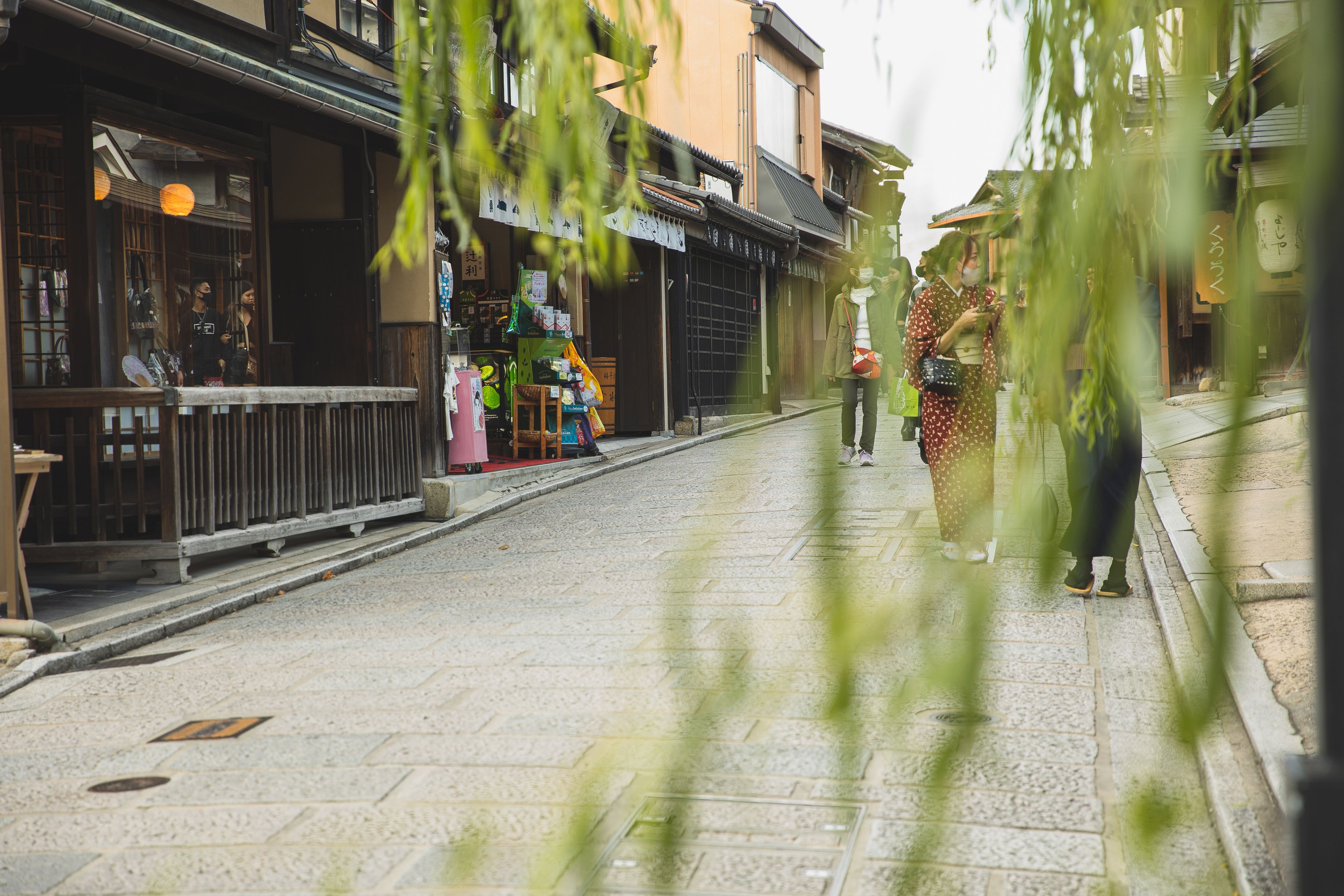
1. Over-indexing on Gion's looks. Gion and Southern Higashiyama are genuinely the prettiest, most historic part of Kyoto — lantern-lit lanes, wooden machiya, the geisha district (Go Ask A Local). The photos are seductive, and first-timers reflexively book there. But for a base, it's the weakest of the central options: accommodation is the priciest in the city and books out fast, the transit is poor (no subway in the historic core; you're on buses and the Keihan line, on hilly streets), and it winds down early in the evening — the area's dining skews to high-end kaiseki and exclusive teahouses, and many shops and eateries close by early evening (Go Ask A Local; Where Are Those Morgans; Japan Guide). You can visit Gion in fifteen minutes from downtown; you don't need to sleep in it. (More on this below — and we weigh it head-to-head in our Gion vs Downtown comparison.)
2. Scattering across the city. Two nights here, two nights there, "to see different sides of Kyoto." It sounds romantic; it's a logistics tax. You lose half a day each time to packing, checking out, hauling bags across a bus-dependent city, and checking back in. On a first trip, one central base you leave from and return to every day is faster, cheaper, and far less tiring.
3. Underestimating the distances. Kyoto looks compact on a map and isn't. Kinkaku-ji (the Golden Pavilion) is about 8 km from Kyoto Station; Arashiyama around 10 km (Japan Guide). The headline sights sit in different corners, and most need a bus or a train. This is exactly why a central, well-connected base matters more than a few square metres of extra room — and why a "bargain" hotel 25 minutes out by bus isn't one once you've spent your evenings commuting.
Get those three right and you've already won the hard part. Here are the areas, in the order a first-timer should consider them.
Downtown Kawaramachi — the default first-timer base
If you do nothing else, do this. Downtown — the Kawaramachi/Shijo grid, straddling the Nakagyo and Shimogyo wards — is Kyoto's commercial and social heart: "always bustling… packed with shops, big department stores, restaurants, bars, and anything else you'll want" (Go Ask A Local). For a first-timer it nails the two things that actually matter — central and walkable — better than anywhere else, and it has by far the deepest bench of comfortable mid-range hotels.
The food alone justifies it: Nishiki Market, the covered shopping arcades, and a dense run of restaurants and coffee shops are all on foot from your door (Go Ask A Local). And the transit is the best of the central areas: the Karasuma subway (via Shijo), the Tozai subway (via Sanjo-area stations), plus the Hankyu and Keihan rail lines all run through here (Where Are Those Morgans). Gion and Southern Higashiyama are a 10–15 minute walk across the river — so you get the historic quarter on demand without paying to sleep in it (Where Are Those Morgans).
Who should pick it: almost every first-timer — couples, friends, solo travelers, anyone who wants to step out of the hotel into food, shopping and transit and not think about logistics. Who should skip it: light sleepers chasing total quiet, and travelers whose whole reason for coming is to wake up inside the old-Kyoto postcard (you'll be in a modern, busy downtown). The honest trade-off: it's "not 'Old Japan'" and it gets congested, especially on weekends (Where Are Those Morgans; Go Ask A Local). Transit & walkability: Karasuma + Tozai subways, Hankyu + Keihan rail; walk to Nishiki and the arcades; ~15 min on foot to Gion; ~15 min by train to Kyoto Station.
Where the mid-range money goes:
- $$ — Mid-range: Cross Hotel Kyoto, just off Sanjo between Kawaramachi and Kiyamachi, is the value standout for first-timers — decent-sized rooms and a genuinely central address about a 10-minute walk from Nishiki Market, with Hankyu Kawaramachi station six minutes away (Booking.com; Where Are Those Morgans). Mitsui Garden Hotel Kyoto Kawaramachi Jokyoji adds a hot-spring-style bath in the same downtown core (Bon Traveler).
- $$$ — Boutique / top mid-range: Nol Kyoto Sanjo, a former sake brewery turned boutique hotel with hiba-wood baths, is the design-forward pick; Solaria Nishitetsu Hotel Kyoto Premier gives you a polished riverfront address by the Kamo (Bon Traveler).
Check live rates for Cross Hotel Kyoto on Booking.com →Our first-timer pick: Cross Hotel Kyoto — central, walkable, comfortable rooms, every transit line minutes away, and Nishiki Market for dinner. It's the "central + walkable + fair price" combo this whole guide is built around.
Kyoto Station — the first-timer exception (transit, luggage, short trips)
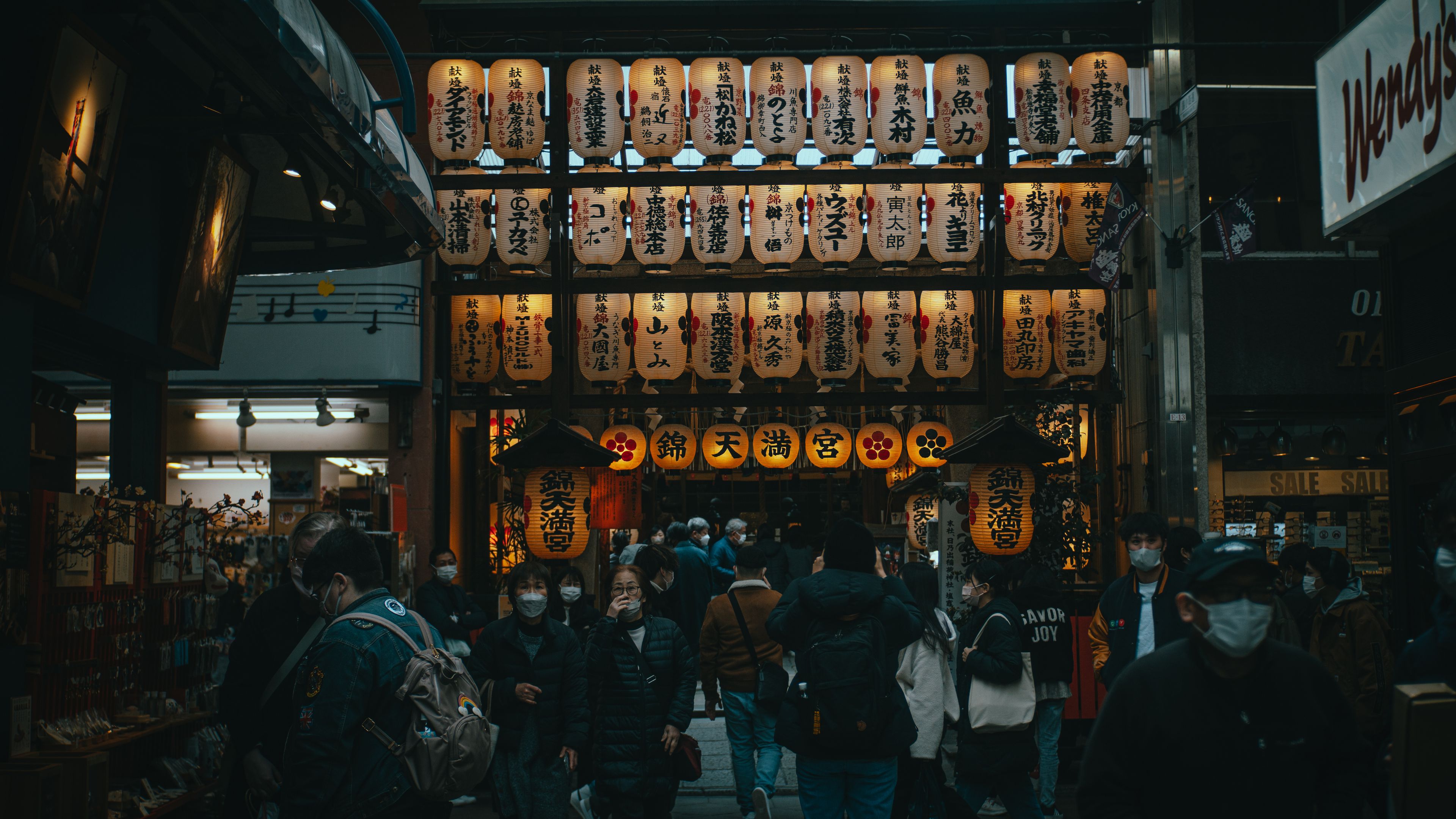
This is the one area that can out-argue Downtown for a first trip — not on charm, but on pure practicality. The Kyoto Station district (southern Shimogyo) is the city's transport hub: the shinkansen, every local JR line, the Karasuma subway, the airport-bound trains, and the main bus terminals all converge here, so "getting around town (and beyond) is easy" (Go Ask A Local; Where Are Those Morgans). It also tends to have more business hotels and better-value rooms than the prettier districts.
For a first-timer, that translates into specific situations where it's the right call: you're hopping in from Osaka or doing day trips to Nara; you've got heavy luggage and don't want to drag it across a bus-dependent city; or you've only got a night or two and want to maximize sightseeing time over atmosphere (Where Are Those Morgans).
Who should pick it: transit-first and day-trip travelers, anyone arriving/leaving with big bags or early/late, and short-stay first-timers who'll be out all day. Who should skip it: anyone whose priority is atmosphere or evening buzz — this is a modern transport district, not a place to stroll after dinner. The honest trade-off: it's "not very pretty… not historic," can be very busy by day and quiet at night, and it's roughly a 30-minute walk (or a short hop) from the downtown action and most sights (Go Ask A Local). Transit & walkability: the hub — shinkansen, all JR lines, Karasuma subway, every major bus route; ~30 min walk to Downtown or one quick train.
Where the mid-range money goes:
- $ — Lower mid-range: Sotetsu Fresa Inn Kyoto-Hachijoguchi, a reliable business hotel a 3–4 minute walk from the station's Hachijo (south) exit, is the value-with-comfort pick for an early train or a luggage-heavy arrival (Sotetsu Hotels; Kyoto Station).
- $$ — Mid-range: Sakura Terrace is a well-liked, sociable mid-range option a short walk south of the station (Travel Hiatus); Kyoto Tower Hotel puts you directly across from the station on the city side (Go Ask A Local).
Higashiyama & the Gion edge — gorgeous, but the first-timer trap
Here's the area first-timers most want to book and most often shouldn't base in. Gion and Southern Higashiyama are "by far the prettiest, most historic, and traditional part of Kyoto" — pedestrian lanes, machiya, Yasaka Shrine, Kiyomizu-dera up the hill, the lantern glow at dusk (Go Ask A Local). It's a wonderful place to be. It's a harder place to sleep.
The problems stack up for a newcomer. Price: accommodation here is among the most expensive in Kyoto and books out fast (Go Ask A Local; Travel Hiatus). Transit: it's the weakest of the central options — no subway in the historic core, so you're on the Keihan line and buses, on hilly terrain, with "no direct access to Kyoto Station" (Where Are Those Morgans). Evenings: the quarter winds down early — dining leans to high-end kaiseki and exclusive, introduction-only teahouses, and many shops and restaurants close by early evening, so it's quieter after dark than its reputation suggests (Japan Guide; Go Ask A Local). Crowds: by day it's mobbed, and parts of Gion have even closed lanes to tourists over overtourism complaints (Japan Guide).
None of that means avoid Higashiyama — it means visit it (it's a 10–15 minute walk from Downtown) rather than base your whole first trip there. If the romance of waking up in old Kyoto genuinely is the point of your trip and the budget's there, book it with eyes open; otherwise, stay central and walk over.
Who should pick it: return-leaning travelers and atmosphere-first couples who'll pay the premium, plan around early mornings, and don't need late dinners or quick transit. Who should skip it: most first-timers, value-focused travelers, anyone luggage-heavy or relying on the subway, and night owls. The honest trade-off: the prettiest base in Kyoto, and the most expensive, least connected, and earliest to quiet down. Transit & walkability: Keihan line (Gion-Shijo) + buses, hilly; no subway in the core; ~15 min walk to Downtown.
Where the mid-range money goes:
- $$ — Mid-range: The Celestine Hotel Kyoto Gion is a mid-range stay with an onsen-style bath on a quieter Gion street; Kyoto Granbell Hotel is a centrally placed, design-led option in the quarter (Bon Traveler; Neverending Voyage).
- $$$ — Boutique / top mid-range: RC Hotel Kyoto Yasaka is an industrial-cool boutique near Yasaka with strong reviews; Hotel Seiryu Kyoto Kiyomizu trades on a landmark setting up by Kiyomizu-dera (Where Are Those Morgans; Travel Hiatus).
Central Karasuma — the quiet first-timer alternative
If Downtown sounds right but you want calmer evenings, shift one notch west to the Karasuma corridor — specifically around Karasuma Oike, where the two subway lines cross. This is the smart middle ground: it's "much calmer than busier parts like Shijo or Gion" while staying "within walking distance of the bustle," because the blocks here are more offices and mixed-use than tourist crush (Vocal Media). You're a single subway stop from Shijo/Nishiki and one stop from Nijo Castle, with both lines meeting at your doorstep (Vocal Media).
That subway interchange is the quiet superpower here: Karasuma Oike puts the north–south and east–west lines under one station, so you can reach almost any direction without the bus lottery — northward, eastward to Higashiyama, southward to Kyoto Station (Vocal Media). For a first-timer who values a real night's sleep, it's the best transit-to-quiet ratio in the city.
Who should pick it: families, couples, light sleepers, and anyone who wants central-and-connected but a quieter street to come home to. Who should skip it: travelers who want restaurants and buzz right outside the lobby — you'll walk five minutes east to Downtown for the densest dining. The honest trade-off: fewer eateries and less atmosphere on the immediate blocks than Kawaramachi; it's a calmer, slightly businessy quarter by design (Vocal Media). Transit & walkability: Karasuma + Tozai subways interchange at Karasuma Oike; ~5–10 min walk to Downtown/Nishiki; one stop to Nijo Castle.
Where the mid-range money goes:
- $$ — Mid-range: Tokyu Stay Kyoto Sanjo-Karasuma sits about 100 m from Karasuma Oike station, handy for self-caterers; Mitsui Garden Hotel Kyoto Sanjo is a dependable, comfortable mid-ranger in the same quiet-central pocket (Vocal Media; Go Ask A Local).
- $$$ — Boutique / top mid-range: Hotel Monterey Kyoto, near Karasuma Oike, brings a more polished room and amenities while keeping the calmer setting (Vocal Media).
Best areas to stay in Kyoto for first-timers, at a glance
| Area | First-timer fit | Vibe | Mid-range band | Transit & walk-to-sights |
|---|---|---|---|---|
| Downtown Kawaramachi | The default. For: almost everyone. Skip if: you want total quiet or pure "old Kyoto" | Lively, modern, food-and-shopping core | $$–$$$ | Karasuma + Tozai subways, Hankyu + Keihan rail; walk to Nishiki; ~15 min to Gion |
| Kyoto Station | The exception. For: transit/day-trips, luggage-heavy, short stays. Skip if: you want atmosphere | Modern transport hub; quiet at night | $–$$ | The hub: shinkansen, all JR, Karasuma subway, buses; ~30 min walk to Downtown |
| Higashiyama / Gion edge | The trap. For: atmosphere-first repeat-leaners who'll pay. Skip if: first trip, value, subway-reliant | Prettiest, most historic; quiet early | $$–$$$ | Keihan + buses, hilly; no subway in core; ~15 min walk to Downtown |
| Central Karasuma | The quiet pick. For: families, light sleepers wanting central-but-calm. Skip if: you want buzz at the door | Calm, central, slightly businessy | $$–$$$ | Both subways interchange at Karasuma Oike; ~5–10 min walk to Downtown |
How to choose for your first Kyoto trip, in priority order
- Want the safest all-round first-timer base? Downtown Kawaramachi. Central, walkable, every line minutes away, food on the doorstep. This is the answer for most people.
- Arriving from Osaka, doing day trips, or hauling luggage on a short stay? Kyoto Station — trade the pretty front door for the best transport in the city.
- Want central but quiet evenings and a real night's sleep? Central Karasuma, around Karasuma Oike — both subways, calmer streets, downtown five minutes away.
- Is waking up inside old Kyoto the entire point, and the budget's there? Higashiyama / the Gion edge — book early, plan around mornings, and accept the premium and the early-evening quiet.
Whichever you choose, hold the line on the one rule: pick the most central, best-connected room your budget allows over the prettiest or cheapest one further out. Get the area right and Kyoto stops being a logistics puzzle and becomes the walk-and-tap-and-go city it's meant to be.
FAQ
Where should a first-timer stay in Kyoto? Downtown Kawaramachi, for most people. It's the most central and walkable part of the city, has the deepest run of comfortable mid-range hotels, puts Nishiki Market and hundreds of restaurants on your doorstep, and gives you both subway lines plus two rail lines within minutes — with Gion a 15-minute walk away when you want it. Choose Kyoto Station instead if transport and day trips matter more than atmosphere.
Should I stay in Gion for my first time in Kyoto? Usually no — visit it, don't base there. Gion and Southern Higashiyama are the prettiest part of Kyoto, but for a base they're the priciest, the least connected (no subway in the core; buses and the Keihan line on hilly streets), and they wind down early in the evening. It's a 10–15 minute walk from Downtown, so you can soak up the atmosphere without paying to sleep in it. Base there only if old-Kyoto romance is the whole point of the trip and your budget allows.
Is Kyoto Station a good area to stay for first-timers? Yes, in specific cases. It has the best transport in the city — shinkansen, all JR lines, the Karasuma subway, and the main bus routes — so it's ideal if you're arriving from Osaka, doing day trips, traveling with heavy luggage, or only staying a night or two. The trade-off is that it's a modern transport district: not pretty, and quiet in the evenings, with a ~30-minute walk (or a quick train) to the downtown action.
How do you get around Kyoto as a first-timer? Get one IC card (ICOCA, or any Suica/PASMO-type card) and tap onto trains and buses. The subway is only two lines — Karasuma (north–south) and Tozai (east–west), crossing at Karasuma Oike — and most temples aren't near a station, so you'll use buses a lot, especially to the famous shrines. A Japan Rail Pass is for intercity travel and won't help much with daily Kyoto sightseeing.
How much does a mid-range hotel in Kyoto cost? Roughly $100–200 a night for a comfortable 3–4 star, with 3-stars averaging around $125–130 and 4-stars higher. Expect prices to climb steeply in peak seasons (cherry blossom and autumn colors) and on Saturday nights, so book your central first-timer area early.
Ready to book?
Pick your area first, then the hotel — in that order. Use the maps above to see what's actually free on your dates, lean toward the most central room your budget allows, and check live mid-range rates before you commit. For the rest of the trip, our where-to-stay-in-Kyoto guide goes deeper on every area, our 3-day Kyoto itinerary turns your base into a day-by-day plan, and the full mid-range Kyoto travel guide ties the areas, sights and budgets together.
Sources
- Go Ask A Local — Where to Stay in Kyoto (a local's neighborhood guide): goaskalocal.com
- Japan Guide — Kyoto: Getting there and around: japan-guide.com
- Japan Guide — Gion (Kyoto's geisha district): japan-guide.com
- Where Are Those Morgans — Where to Stay in Kyoto: 5 Best Areas for a First Visit: wherearethosemorgans.com
- Bon Traveler — Where to Stay in Kyoto: 6 Best Areas for First-Timers: bontraveler.com
- Travel Hiatus — Where to Stay in Kyoto: 6 Best Areas to Consider: travelhiatus.com
- Neverending Voyage — Where to Stay in Kyoto: Recommended Hotels and Areas: neverendingvoyage.com
- Vocal Media — Why Karasuma Oike Is the Perfect Base for Exploring Kyoto: vocal.media
- Kyoto Station — Sotetsu Fresa Inn Kyoto-Hachijoguchi: kyotostation.com
- Sotetsu Hotels — Sotetsu Fresa Inn Kyoto-Hachijoguchi (official): sotetsu-hotels.com
- Booking.com — Cross Hotel Kyoto (location/area facts): booking.com
- Budget Your Trip — Hotel prices for Kyoto, Japan: budgetyourtrip.com