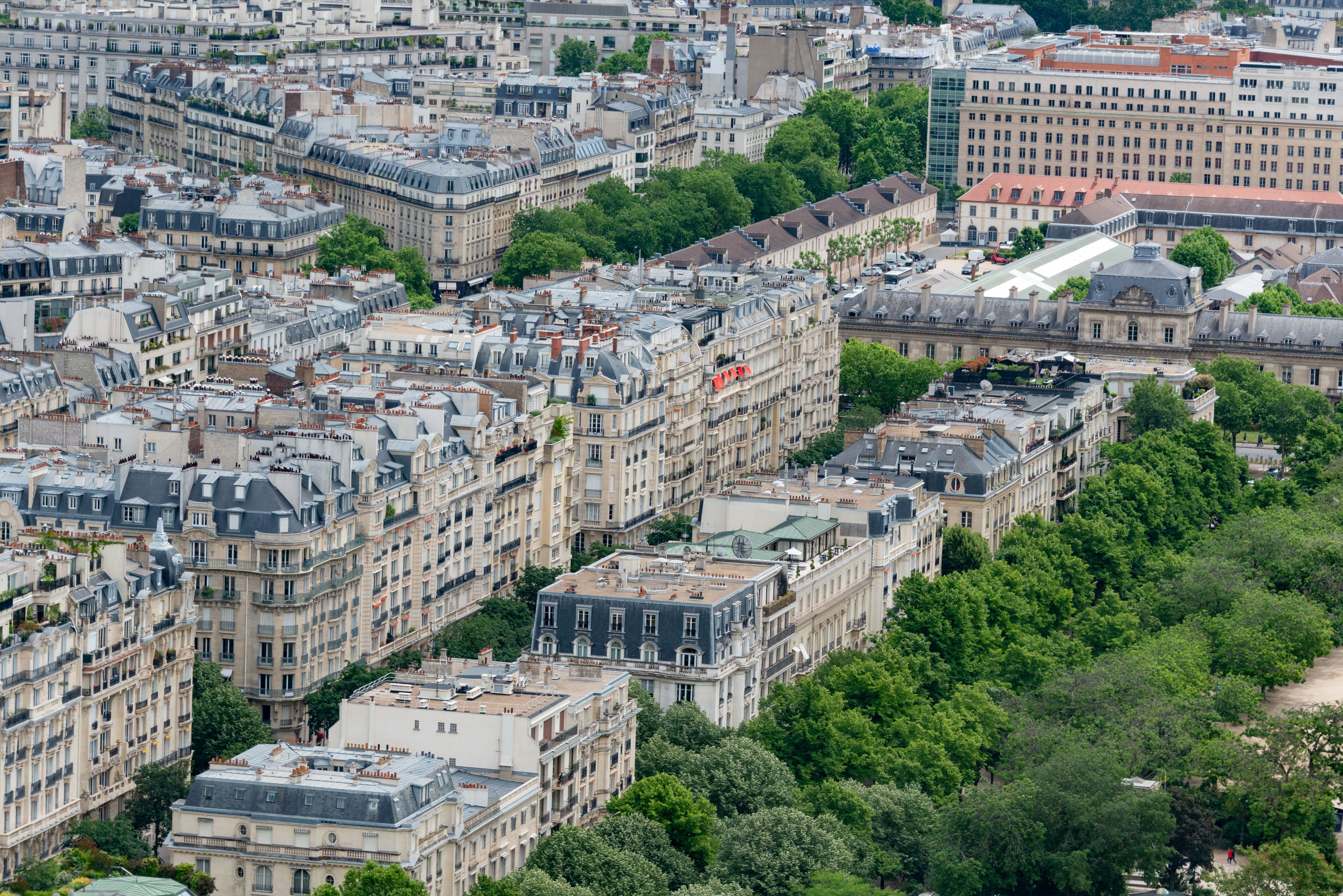
Luxury Paris: A Discerning Traveler's Guide to the City (Where to Stay, What to Splurge On)
- Paris
- France
- Luxury
- Palace Hotels
- Where to Stay
A luxury Paris travel guide with a point of view: where to base yourself, palace vs 5-star vs design-boutique, and what is actually worth the splurge in the top band.
Most luxury Paris guides are catalogues: a parade of marble lobbies with the implication that, at this price, you can't go wrong. You can — and at these rates, going wrong is expensive. Done well, a luxury Paris travel guide isn't a list of beautiful hotels; it's a sequence of decisions, made in the right order, about where your money buys a real experience and where it merely buys a famous address. This guide is opinionated about the choices that actually cost money, honest about which splurges land, and routed to the deeper guides that close each decision.
Here's the thesis. Luxury Paris is a neighborhood decision and a lodging-tier decision before it is a hotel decision. Get the arrondissement and the tier right and the hotel almost picks itself; get them wrong and no thread count saves the trip. The city doesn't have one luxury — it has several that feel nothing alike, sitting in four or five expensive arrondissements, across three genuinely different lodging tiers. Sort those two axes first.
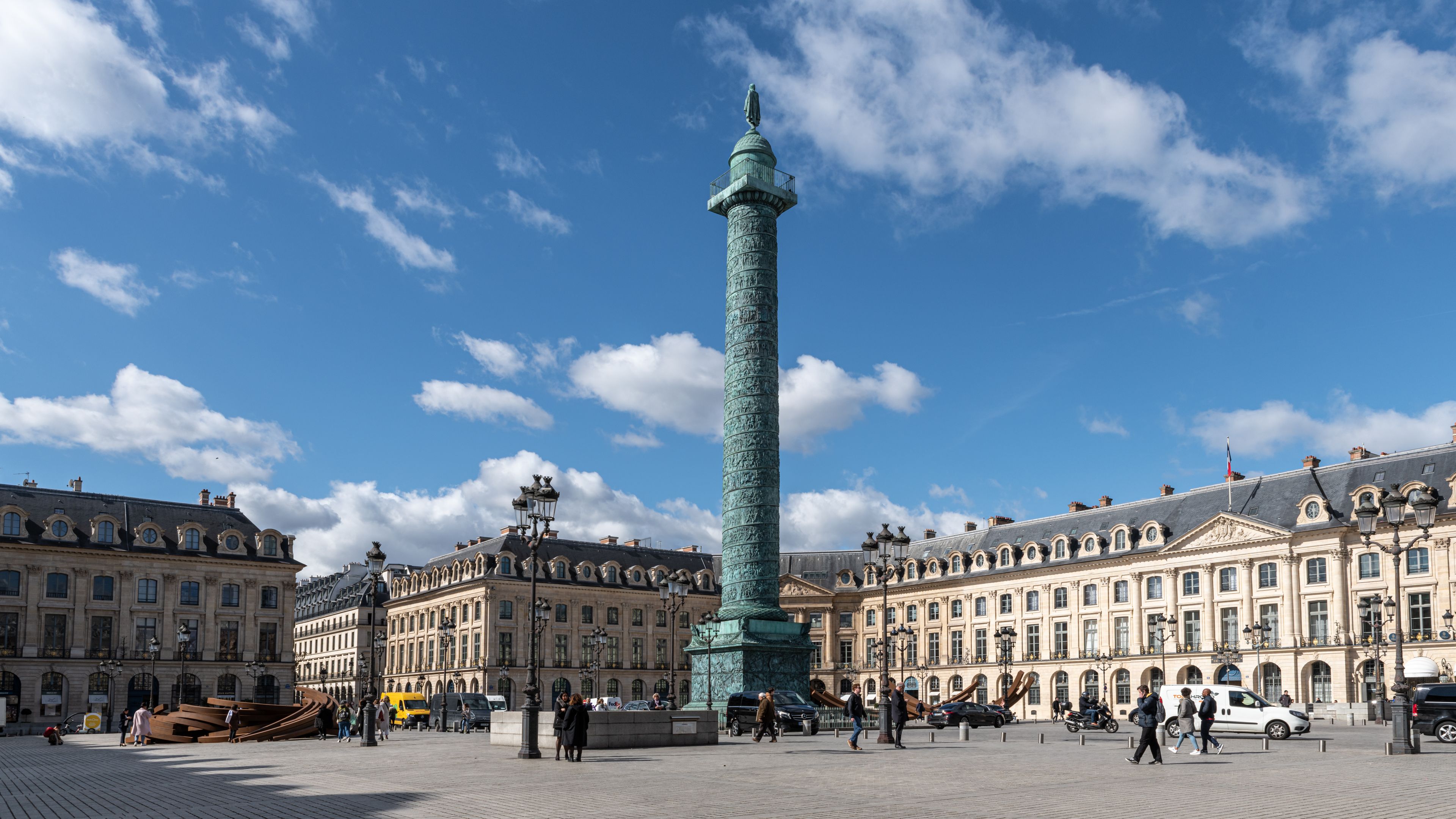
Decision one of any luxury Paris travel guide: which arrondissement to base in
Before a single room photo, decide which kind of Parisian luxury you want, because the arrondissements deliver different ones. Here's the honest map of the luxury core — the 1st, 8th, 6th, 7th, with the 16th as the view-first outlier — what each buys, who it suits, and the trade-off each carries.
The 1st — postcard-central, the most walkable luxury in Paris
The geographic and ceremonial heart of the city: the Louvre, the Tuileries, Place Vendôme and the Rue Saint-Honoré boutiques are all here or minutes away. You roll out of bed and you're in the Paris you came for. As of the 2026 review it holds two of the city's Palace hotels — Le Meurice facing the Tuileries and Cheval Blanc on the Seine — so the central address and a genuine top-tier stay are the same money (Paris Tourism; Private Upgrades).
- Who it suits: first-time-to-Paris luxury travelers and art-and-culture visitors who want to walk to the icons from a grand hotel, with no metro in the equation.
- The trade-off: it's the priciest-per-square-metre part of the city, tourist-thick around the Louvre and Rivoli by day, and light on residential texture (Santorini Dave).
The 8th — fashion-house formality (the Golden Triangle)
The most concentrated luxury in Paris, full stop. The "Golden Triangle" — the wedge between Avenue Montaigne, Avenue George V and the Champs-Élysées — is the heartland of French haute couture, and after the 2026 update the 8th holds eight of the city's Palaces, more than half the Paris total (Paris Tourism; Private Upgrades). If your Paris is fashion, formal grandeur and being at the address, this is it.
- Who it suits: shoppers (Avenue Montaigne is the point), travelers who want the most lavish, best-resourced hotels in France, and anyone for whom the famous address is part of the pleasure.
- The trade-off: polished but formal, business-heavy in places, and the Champs-Élysées stretch is genuinely touristy. Book a quieter side street off the main avenues for the prestige without the crowds (Everyday Parisian).
The 6th — Left-Bank elegance (Saint-Germain-des-Prés)
If your idea of luxury is a stylish townhouse on a literary street rather than a marble-floored palace, the 6th is your arrondissement — the café terraces of Café de Flore and Les Deux Magots, designer-but-low-key boutiques, and discreet hideaways tucked into old buildings. It's the most Parisian-feeling of the luxury bases, though it holds only one Palace (the Mandarin Oriental Lutetia), so its luxury runs to character over palace-scale infrastructure (Santorini Dave).
- Who it suits: repeat visitors and design-conscious travelers who want elegance with neighborhood texture and a base that feels like living in Paris.
- The trade-off: expensive in its own right, and the café-and-shopping core gets busy and pricey at peak times — you're paying for charm and address, not quiet (Everyday Parisian).
The 7th — hushed, Eiffel-side calm
The connoisseur's choice: elegant, polished and surprisingly quiet for somewhere this central, within an easy walk of the Eiffel Tower, Les Invalides, the Musée d'Orsay and the market stalls of Rue Cler. There's no Palace inside the 7th, so this is boutique-luxury territory — small, intensely private design hotels rather than big-name palaces (Santorini Dave).
- Who it suits: couples and design-led travelers who want quiet and privacy over scene, and for whom an Eiffel-side walk home matters more than a famous lobby.
- The trade-off: the very calm that sells it means fewer restaurants and almost no nightlife on the doorstep — you'll walk into Saint-Germain for a buzzier dinner. Quiet is the feature, but it is quiet (Santorini Dave).
The 16th — the Eiffel-view outlier
The grand residential arrondissement across the river — leafy, hushed, old-money — holding two of the city's most spectacular Palaces (the Shangri-La and the Peninsula), both trading on the view rather than central buzz (Paris Tourism). If the once-in-a-lifetime Eiffel-from-your-suite moment is the whole point, this is where it lives — but it's genuinely removed, so you're booking the hotel and the view, not the neighborhood on your doorstep (Everyday Parisian).
For the full area-by-area verdicts — including the quieter side streets and the specific hotels in each — see the best areas to stay in Paris for luxury travelers. Planning a romantic trip? Where to stay in Paris for a luxury honeymoon narrows it to the couple's lens.
Decision two: Palace vs five-star vs design-boutique
The second axis — and the one that separates people who know Paris from people who've read a brochure — is the lodging tier. "Five-star" in Paris spans an enormous range, and there's a formal distinction sitting above it that most lists blur.
That distinction is "Palace." It isn't marketing; it's a French state label, awarded by the Ministry of Tourism on the recommendation of Atout France's Palace Commission, created in 2010 to crown the hotels representing the highest expression of French hospitality (Breaking Travel News). Earning it demands near-1:1 service, destination-grade dining and spa, and genuine cultural weight — and it is re-assessed, not granted for life: valid three years, with a full national review roughly every seven, the most recent landing in June 2026 (Euronews).
That 2026 review matters if you're booking now, because the list moved. France currently has 33 Palaces, 13 of them in Paris — the highest concentration on earth (Euronews; Private Upgrades). Three Paris hotels gained the title for the first time — Bvlgari Hotel Paris, Cheval Blanc Paris and Fouquet's Paris — while two well-known names lost it: the Park Hyatt Paris-Vendôme and the Mandarin Oriental Paris on Rue Saint-Honoré (Michelin Guide; One Mile at a Time). And a perennial surprise: the Ritz Paris has never held the Palace distinction — proof that a legendary name and the state's highest tier are not the same thing (One Mile at a Time).
So here's the framework. Three real tiers, what each actually buys, and who should pick which.
Palace — the top of the top, and a genuine experience
What it buys: the full apparatus — Michelin-starred dining in the building, a destination spa with a real pool, service that learns your name by day two, and a sense of occasion that's hard to manufacture. At the Four Seasons George V in the 8th, that means six Michelin stars across three restaurants (Le Cinq alone holds three) and a flower budget you can see from the lobby (Four Seasons Paris; Michelin Guide). Who should pick it: travelers for whom this is the trip, who'll use the spa, eat in the dining room, and want the address and the experience to be one thing.
Five-star — excellent, without the Palace apparatus
What it buys: a genuinely luxurious room, often a great location, polished service — but without the Michelin-and-destination-spa machinery of a Palace, and frequently at a much lower rate. Paris has a deep bench here: properties like the Hôtel du Louvre or Le Burgundy can sit under €400 in low season, where the iconic Palaces rarely dip below four figures (KAYAK). Who should pick it: travelers who want luxury comfort and a strong address but won't use a hotel's restaurant-and-spa world enough to justify the Palace premium.
Design-boutique — character luxury, on a smaller scale
What it buys: individuality. A 25-to-40-room hotel in a historic shell, designed with a point of view, with intimate service and a sense of place the big houses can't fake — but usually no Michelin restaurant, sometimes no spa, and no grand lobby. This is the Left Bank's and the 7th's natural register. Who should pick it: repeat visitors and design-led travelers who'd rather feel like they're living in a beautiful private home than checking into an institution.
| Lodging tier | What it actually buys | Who it suits | Rough nightly band* | Where it concentrates |
|---|---|---|---|---|
| Palace (state-labeled, 13 in Paris) | Michelin dining + destination spa + near-1:1 service + occasion | This-is-the-trip travelers who'll use the whole hotel world | ~€1,000–€3,000+ (signature suites far higher) | 8th (Golden Triangle), 1st, 16th, 6th |
| Five-star (no Palace apparatus) | A luxurious room + strong address + polished service | Luxury comfort without paying for restaurant-and-spa scale | ~€400–€900 (sub-€400 low season) | Across the centre — 1st, 8th, 6th, 7th |
| Design-boutique | Individuality, intimacy, a sense of place | Repeat / design-led travelers; "living in Paris" | ~€500–€1,200 | 6th (Saint-Germain), 7th, the Marais |
*Top-band rates are indicative and highly seasonal — confirm live dates (KAYAK; Paris Tourism).
For the deep dive on the top tier — who each Palace is genuinely for — see the Paris palace hotels guide, and for the spa-led version of luxury, the best luxury spa hotels in Paris.
Worth the splurge vs overrated
This is where a guide earns its keep. At the top band, the question isn't can you spend — it's where the spend converts into a memory versus where it just inflates the bill. Honest calls, from doing this more than once.
Worth it: an Eiffel-view room (if it's a real, head-on view). Not all Eiffel views are equal, and the side-angle "partial view" is rarely worth its premium. But a verified, head-on Tower view from a serious hotel is the rare splurge where the view is the reason to book, not an upsell (Afar). If this is the trip, pay for the real thing — and confirm exactly which rooms get it. We line up the properties that actually deliver in the best Paris hotels with Eiffel Tower views.
Worth it: a Michelin dinner in your hotel — once. A meal at a three-star like Le Cinq is theatre as much as food, and doing it in your Palace, then taking the lift upstairs, is a genuine luxury-Paris moment (Four Seasons Paris). The caveat: once. Eating every dinner in the hotel means missing the city's neighborhood tables, which are half the point of Paris.
Worth it (situationally): a destination spa half-day. If you've booked a Palace, its spa is part of what you're paying for — a pool, a hammam, a couple of treatments make a jet-lagged first day or a rainy afternoon. If you won't use it, you're funding a five-star room at a Palace price; pick a five-star or boutique instead. The spa-first crowd should start with the best luxury spa hotels in Paris.
Overrated: the €60–€90 palace breakfast, as a default. A grand-hotel breakfast is a lovely thing once — and at a handful of houses (the George V's is genuinely gastronomic) it's an event in itself (Four Seasons Paris). But taking it every morning, when a perfect croissant and café crème at the corner boulangerie costs a fraction and is more Parisian, is money spent on convenience dressed as luxury. Have it once; walk out the other mornings.
Mostly a status buy: the Avenue Montaigne address itself. The 8th's Golden Triangle hotels are the best-resourced in France, and that part is real. But a slice of the premium is the address — the right to say you stayed where the couture houses are — and that bit is a status purchase, not an experience one. Worth it if the fashion-formal scene is genuinely your Paris; oversold if you came for cafés and quiet, where the 1st or the Left Bank gives you more for similar money (Paris Ouest Sotheby's).
The throughline: pay up for what you'll use and remember — the head-on view, the one big dinner, the spa if you'll be in it — and resist a premium paid purely for a postcode.
When to go for a luxury trip
Timing is a luxury lever, not just a weather one — it moves both rates and the kind of trip you'll have. The sweet spot for a high-end Paris visit is shoulder season: late April through May, and September into October. The weather is pleasant, the queues are shorter, and — the part that matters at this band — the best suites and the most coveted view rooms are actually available, where peak summer sells them out months ahead (Paris Tourism).
Two things spike rates and tighten availability hard, so plan around them. The two Fashion Weeks — womenswear in late February/early March and again in late September/early October — push central rates up sharply and squeeze availability across the Right Bank and the Golden Triangle (Weekend Paris). And peak summer (July–August) runs hot on price and crowds. If your dates flex, travel midweek over weekends (weekday rates run meaningfully lower) and favour shoulder months over high summer (Paris Tourism). For the romance-first version of the trip, our luxury romantic Paris itinerary for 3 days sets the pace.
Because a luxury Paris trip is almost always planned and booked well ahead — and you may settle the dates before the hotel — it's worth checking live availability and seasonal rates early.
Check seasonal rates and availability for luxury Paris hotels →Plan it in this order
The whole guide collapses to a sequence. Run it top to bottom and the trip assembles itself:
- Pick the kind of luxury — postcard-central (1st), fashion-formal (8th), Left-Bank elegant (6th), Eiffel-side calm (7th), or the view above all (16th).
- Pick the tier — Palace if you'll use the whole hotel world, five-star for luxury comfort that spends further on the city, design-boutique for character and intimacy.
- Decide your splurges — the head-on Eiffel view, the one Michelin dinner, the spa half-day if you'll be in it; skip the everyday palace breakfast and the address-for-its-own-sake.
- Time it — shoulder season for value and availability; dodge the Fashion Weeks and peak August.
- Lock the neighborhood and hotel via the linked guides, then check live rates for your exact dates.
Settle the first two decisions and the rest is detail. For couples specifically, our best luxury honeymoon hotels in Paris and the Saint-Germain vs the Marais comparison close the two most common toss-ups.
FAQ
Where should most luxury travelers base themselves in Paris? The 1st arrondissement for most — it's the most central and walkable luxury base (Louvre, Tuileries and Place Vendôme on the doorstep) and holds two Palace hotels, Le Meurice and Cheval Blanc, so the address and the experience are the same. Choose the 8th's Golden Triangle if fashion and the grandest hotels lead, the 6th for Left-Bank charm, or the 7th for quiet, Eiffel-side calm. The full breakdown is in our best-areas guide.
What is a "Palace" hotel, and how is it different from five-star? "Palace" is a formal French state distinction, awarded by the Ministry of Tourism on Atout France's recommendation and sitting above five-star — it requires near-1:1 service, Michelin-grade dining, a destination spa and real cultural weight. It's re-assessed periodically (valid three years, with a full review roughly every seven; the latest was June 2026). France has 33 Palaces, 13 in Paris. A five-star is genuinely luxurious but lacks that full apparatus — and often costs meaningfully less.
How many Palace hotels does Paris have in 2026, and did the list change? Thirteen, after the June 2026 review. Three Paris hotels gained the title for the first time — Bvlgari Hotel Paris, Cheval Blanc Paris and Fouquet's Paris — while the Park Hyatt Paris-Vendôme and the Mandarin Oriental Paris lost it. The Ritz Paris, notably, has never held the Palace distinction despite its fame.
What's actually worth splurging on in luxury Paris? A verified head-on Eiffel Tower view (where the view is the reason to book), one Michelin dinner in your hotel, and a destination spa half-day if you'll use it. What's oversold: the €60–€90 palace breakfast as a daily default (have it once, then hit the boulangerie), and paying purely for an Avenue Montaigne address when you came for cafés and quiet rather than the fashion scene.
When is the best time for a luxury Paris trip? Shoulder season — late April to May, and September into October — for pleasant weather, shorter queues, and far better availability on the top suites and view rooms than peak summer. Avoid the two Fashion Weeks (late Feb/early March and late Sept/early Oct), which spike central rates and tighten availability, and peak July–August. Traveling midweek lowers rates further.
Start with the right two decisions
Luxury Paris rewards getting the order right: decide the kind of luxury and the tier before you fall for a single room photo, and weigh whether the premium you're paying buys a real experience or just a famous name. Do that and the hotel almost chooses itself — and the trip is the one you actually wanted, not the one a glossy list sold you.
From here, lock your neighborhood and tier with the guides above, then check live rates for your exact dates. The decisions are the hard part; you've now made them in the right order.
The spokes that close each decision: best areas for luxury travelers · where to stay for a luxury honeymoon · the palace hotels guide · Eiffel-view hotels · best luxury honeymoon hotels · best luxury spa hotels · 3-day romantic itinerary · Saint-Germain vs the Marais.
Sources
- Paris Tourism — Best Luxury Hotels in Paris: the Palaces (2026): paristourism.org
- Euronews — France unveils 33 'palaces' for 2026 as six new hotels join the list: euronews.com
- Breaking Travel News — Atout France adds six new Palace hotels to its national collection: breakingtravelnews.com
- Michelin Guide — France reveals its new Palace hotels for 2026: guide.michelin.com
- One Mile at a Time — French "Palace" hotel status updates (winners, losers, the Ritz): onemileatatime.com
- One Mile at a Time — What are France's famous "Palace" hotels?: onemileatatime.com
- Private Upgrades — Palace Hotels in France: Official 2026 Guide (Paris list): privateupgrades.com
- Santorini Dave — Where to Stay in Paris: the best neighborhoods: santorinidave.com
- Santorini Dave — Saint-Germain (6th) luxury hotels: santorinidave.com
- Santorini Dave — Where to stay near the Eiffel Tower (7th): santorinidave.com
- Everyday Parisian — Where to Stay in Paris by neighborhood: everydayparisian.com
- Paris Ouest Sotheby's Realty — Paris 8th: the Golden Triangle (Triangle d'Or): parisouest-sothebysrealty.com
- Four Seasons Hotel George V, Paris — fine dining (six Michelin stars across three restaurants): fourseasons.com
- Four Seasons Hotel George V, Paris — signature breakfast: fourseasons.com
- Michelin Guide — The complete Michelin guide to Paris hotels: guide.michelin.com
- Afar — The Paris hotels where an Eiffel Tower view is actually worth it: afar.com
- KAYAK — Best 5-Star Hotels in Paris (price range): kayak.com
- Paris Tourism — Best Time to Visit Paris (season-by-season, 2026): paristourism.org
- Weekend Paris — The Best Time to Visit Paris (Fashion Weeks, rate spikes): weekendparis.com