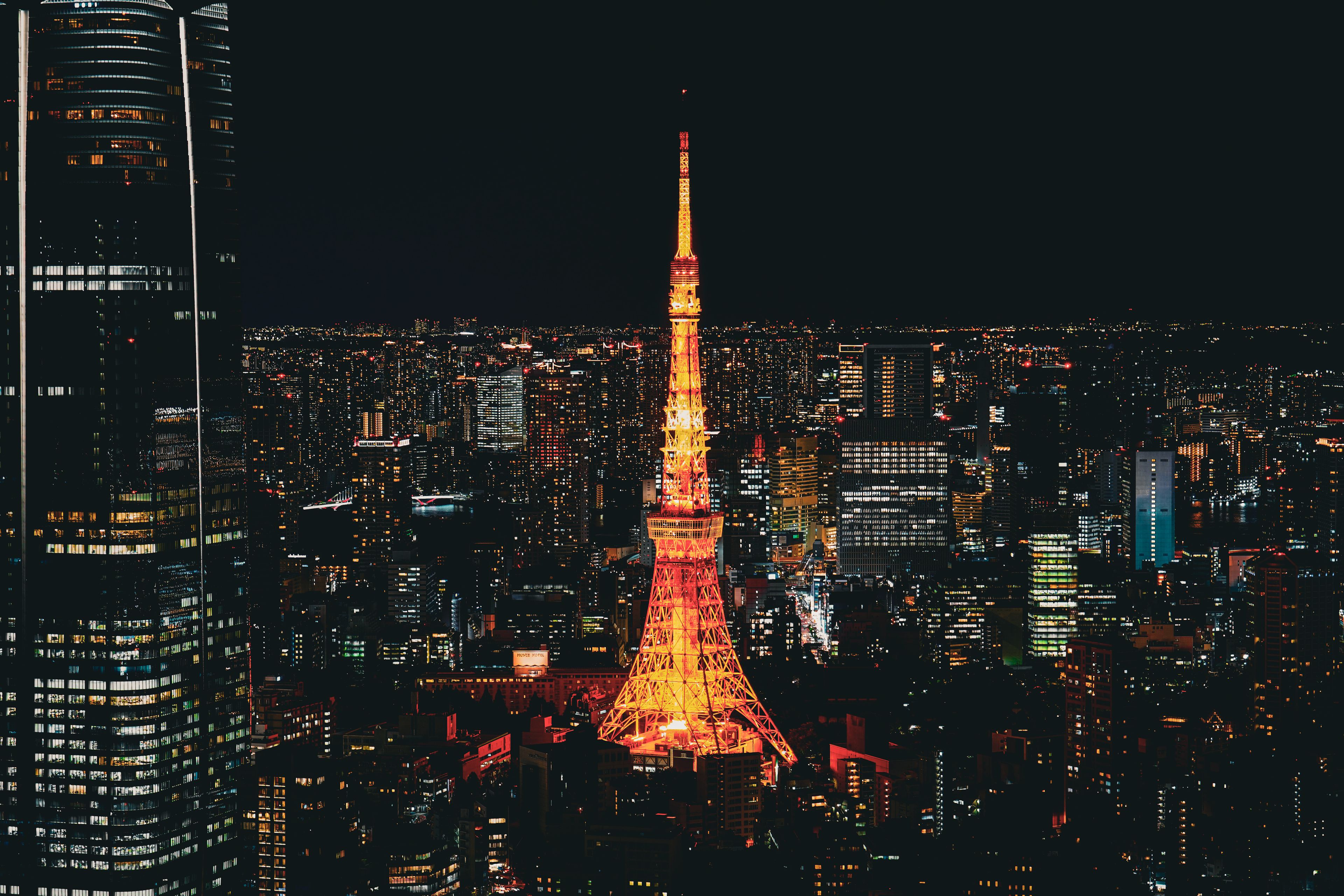
A Luxury Tokyo Honeymoon: The Perfect 4-Day Itinerary
- Tokyo
- Japan
- Honeymoon
- Luxury Travel
- Itinerary
A luxury Tokyo honeymoon itinerary: an unhurried 4-day plan with romantic splurges, Michelin dinners, where to base yourselves, and how to pace it for two.
Search "Tokyo honeymoon itinerary" and you'll mostly find 10-to-14-day forced marches across the whole of Japan — Tokyo, Kyoto, Osaka, Hakone, Hiroshima, a bullet train every other morning. That's a wonderful trip. It is not a honeymoon. This luxury Tokyo honeymoon itinerary does the opposite: four unhurried days in one city, paced for two, with one or two anchored experiences a day and a lot of deliberate nothing in between. The point isn't to see Tokyo. It's to fall a little more in love in it.
The single decision that makes or breaks the rhythm isn't which sights you tick — it's where you wake up. So before the day-by-day, here's the call this whole plan is built around.
Where to base yourselves: stay Marunouchi / Otemachi, the calm, immaculate quarter wrapped around the Imperial Palace gardens and Tokyo Station. It's walkable, it's quiet at night, it puts the city's most romantic hotels and an early-morning Palace garden on your doorstep, and almost everything below is a short taxi or one easy train away. One serene base for four nights beats hotel-hopping on the trip where you most want to unpack once and exhale. More on why — and the Ginza alternative — just below.
Where to base yourselves for a Tokyo honeymoon (the one decision that matters)
Tokyo is enormous and famously polycentric — Shinjuku, Shibuya, Ginza and Asakusa each feel like their own city — so the instinct to "split the stay" across districts is strong. For a four-day honeymoon, resist it. The romance of this trip is in the slow mornings and the unhurried evenings, and re-packing mid-trip steals exactly those. Pick one beautiful base and let the city come to you.
The base I'd choose is Marunouchi / Otemachi, the polished district between Tokyo Station and the Imperial Palace. Here's the case:
- It's the quiet-luxury heart of the city. This is where Tokyo's most romantic hotels cluster — Aman Tokyo and the Mandarin Oriental in Otemachi/Nihonbashi, the Palace Hotel and Four Seasons on the moat, the Peninsula a few minutes south by Hibiya Park — all serene, Palace-facing, and grown-up. Travel writers consistently point honeymooners toward the Marunouchi-and-Ginza side precisely because it's upscale and calm without being deserted (Truly Tokyo; Where Are Those Morgans).
- You can walk to a romantic morning before the city wakes. The Imperial Palace East Gardens are a free, ten-to-fifteen-minute stroll from Tokyo Station, and they're at their most peaceful right at the 9 am opening (Imperial Household Agency; Japan Guide). A garden walk in your first hour awake is the kind of slow start a honeymoon is for.
- Everything else is close. Tokyo Station is the hub — Ginza is one stop or a 12-minute walk, Asakusa a 30-minute ride, and the Shinjuku skyline bars a short taxi or train. You're central without being in the noise.
The Ginza alternative. If your honeymoon leans toward fashion, fine dining and late, elegant evenings, base in Ginza instead. It's Tokyo's most refined shopping-and-dining quarter — flagship maisons, Michelin rooms, the new Bvlgari Hotel on the upper floors of Tokyo Midtown Yaesu with its rooftop terrace (Bvlgari Hotels; MATCHA). It's a touch livelier and more glittering than Marunouchi's hush; pick it for the dressed-for-dinner version of the trip.
A quick, honest note before the rooms: central Tokyo has no natural hot springs on most hotel floors. What the skyline towers give you is a deep, lovely soaking bath — not spring water. Only a couple of properties have the real thing, and I've flagged exactly which below. If a genuine onsen soak is non-negotiable for your honeymoon, that changes where you sleep.
For the property-by-property breakdown — which suite, which view, which bath — see our guide to the best luxury honeymoon hotels in Tokyo. This itinerary is about the days around the hotel.
A word on this plan's pacing philosophy, because it drives every choice below: one anchor experience and one great meal a day, with the rest left open for the bath, the spa, a wander and each other. That restraint is the luxury — not the density of the schedule.
Day 1 — Arrive gently, then a skyline cocktail to toast it
The first day of a long-haul flight is for landing softly, not for sightseeing. Treat it that way and you protect the whole trip from jet-lag grumpiness.
Afternoon: Transfer straight to your Marunouchi base and check in. The good hotels will hold the room or arrange something if you ask in advance — worth doing, because all you'll want is a shower and a horizontal surface. Resist the urge to "do" anything. Unpack, soak in that deep tub, and let the time-zone fog start to lift.
Late afternoon: A short, gentle first outing on foot — the lantern-lit lanes of Marunouchi and the Tokyo Station area, or a slow loop of the Palace moat as the light goes gold. Nothing with a ticket or a queue. You're just letting Tokyo arrive in soft focus.
Evening — the toast: Open the honeymoon properly with a cocktail at altitude. The obvious romantic icon is the New York Bar on the 52nd floor of the Park Hyatt Tokyo in Shinjuku — the Lost in Translation bar, reopened in December 2025 after a 19-month, top-to-bottom renovation, with restored interiors, sweeping skyline views and the slow-piano glamour intact (Hyatt Newsroom; Wallpaper*). It's a 15-to-20-minute taxi from Marunouchi — perfect for a first night when you don't want to overthink logistics. (As a freshly reopened icon, expect demand; book ahead.)
Dinner: Keep it close and easy — a relaxed dinner near the bar or back in your own hotel. Day 1 is not the night for a marquee tasting menu you'll be too tired to taste. Early night; the real days start tomorrow.
The Day 1 splurge: a skyline cocktail at the New York Bar to mark the start of the honeymoon — low effort, high romance, zero jet-lag risk.
Day 2 — A quiet garden, the city at your pace, a Michelin dinner
This is the day that sets the trip's tone: one gentle cultural anchor in the morning, free time through the afternoon, and the headline dinner at night.
Morning — the Palace gardens before the crowds: Walk from your hotel into the Imperial Palace East Gardens soon after the 9 am opening, when they're at their most peaceful — manicured lawns, the old stone ramparts of Edo Castle, and barely anyone about (Japan Guide). Entry is free. One real planning catch: the East Gardens close every Monday and Friday (Imperial Household Agency) — so if Day 2 lands on one of those, simply swap this morning with Day 3's, or stroll the outer moat and Wadakura Fountain Park instead.
Midday — a teahouse on the water: Make your way south to Hama-rikyu Gardens on the edge of Tokyo Bay (a short taxi, or a walk via Ginza). At its centre sits Nakajima-no-ochaya, a traditional teahouse on a small island in the tidal pond, reached by a long wooden bridge. Order a bowl of freshly whisked matcha with a seasonal sweet (around ¥1,000) and sit on the tatami with the water on one side and the Shiodome skyscrapers rising behind — old Japan and new in a single frame (Time Out Tokyo; Go Tokyo). The garden is open 9:00–17:00, admission ¥300 (Go Tokyo). It's the most romantic ¥2,000 you'll spend all trip.
Afternoon — deliberately open: This is your first real do-nothing window. Wander Ginza's elegant streets, browse a department-store food hall, or go straight back to the hotel for the pool and a nap before dinner. The plan here is no plan.
Evening — the dinner of the trip: Tokyo holds more Michelin stars than any city on earth — twelve three-star restaurants alone in the 2026 guide (MICHELIN Guide). For a honeymoon, the move is an intimate omakase counter, where the whole evening is the two of you watching a master at work. A standout is the three-starred Sushi Harutaka in Ginza — twelve counter seats, a chef who trained 13 years under Jiro, Edomae sushi over perfectly seasoned rice (WAUG). Counters this small book out weeks ahead, so reserve the moment your dates are firm; if it's full, the city's two- and one-star sushi and kaiseki rooms run deep. Prefer your hotel? Aman's eight-seat Musashi omakase or Hoshinoya's in-house kaiseki are celebrations in themselves.
The Day 2 splurge: a Michelin omakase dinner for two — the single experience most worth booking before you fly.
Day 3 — A real onsen soak, a garden afternoon, and slow time
Day 3 is the heart of the honeymoon: the day you actively unwind together. It's built around the question every couple asks about Tokyo — can we have a proper Japanese soak without leaving the city? — and the honest answer.
The honest onsen note: Tokyo isn't built over hot springs, so the deep tubs in most luxury towers are heated soaking baths, not natural onsen (Travel in Culture). Two properties are the genuine exceptions, and both make a glorious Day 3:
- Hoshinoya Tokyo — a luxury ryokan stacked into a tower minutes from Tokyo Station, crowned by an open-air rooftop onsen fed by genuine hot-spring water pumped from 1,500 metres underground — a saline, mineral-rich spring from an ancient seabed, open to the Tokyo sky (Hoshino Resorts). It's the real thing, in the middle of the city. One honeymoon caveat: like most Japanese onsen it's gender-separated, so it's a soak you take near each other, not together.
- Hotel Chinzanso Tokyo — set in a historic 12-acre garden in Bunkyo, with a spa whose wooden onsen bath uses genuine hot-spring water brought from Ito on the Izu Peninsula (Hotel Chinzanso). The trade is location — it's a taxi from the centre — but the grounds are arguably the most romantic in Tokyo.
Morning — the soak: Build the morning around one of the above. If you're staying at Hoshinoya, you're already home; otherwise a day-guest spa booking or a treatment plus bath is the move. No true onsen on your dates? A long, unhurried soak in your suite's deep furo with the city below is its own quiet luxury — and a couples' treatment at a hotel spa (Aman's 30-metre view pool and onsen-style baths, or the Palace Hotel's moat-view Evian Spa) is the togetherness version (Aman).
Afternoon — a garden, or genuinely nothing: If you didn't make it to Chinzanso for the soak, go now for the garden alone — over 10,000 trees, a relocated three-story pagoda, and a famous mist installation that turns the grounds dreamlike at dusk (Hotel Chinzanso). Or — and this is the honeymoon-correct answer — do nothing. Stay in robes, order tea, watch the city. A built-in empty afternoon is not a gap in the plan; it's the plan.
Evening — the immersive splurge, or an in-room dinner: For a different kind of romance, book an evening slot at teamLab Borderless in Azabudai Hills — the immersive digital-art museum, open until 21:00 with last entry an hour before (teamLab). Wandering its mirrored, blossoming rooms hand in hand is genuinely dreamlike, and quieter in the later slots. If you'd rather not move, an in-room dinner — Aman will send Arva up; Hoshinoya serves kaiseki and breakfast in-room — closes the day in robes over the skyline.
The Day 3 splurge: a real hot-spring soak (Hoshinoya or Chinzanso) by day, and either teamLab or an in-room dinner by night.
Day 4 — A dawn temple, then a last unhurried morning (or a Hakone escape)
The final day is for a single quiet, soulful moment and a gentle goodbye — not a last-minute sightseeing sprint.
Dawn — Senso-ji before the crowds: This is the most atmospheric hour of the whole trip. Senso-ji in Asakusa is Tokyo's oldest temple, and its grounds are always open; the main hall opens at 6:00 am (6:30 from October to March), admission free (Japan Guide). Arrive around opening and you'll have the great Kaminarimon lantern, the pagoda and the incense-hazed main hall almost to yourselves — a world away from the daytime crush (Miyakodori). A taxi from Marunouchi gets you there before the souvenir shutters even roll up. Walk the empty Nakamise lane, make an offering, and let it be the still, sacred bookend to a city trip.
Late morning — the slow goodbye: Back to the hotel for a long breakfast and a final soak. If your flight is late, claim a daybed by the pool, do a last Ginza wander for a keepsake, or take a farewell coffee over the moat. End the way you started: unhurried.
The optional half-day escape — Hakone: If you have a spare day at the end and want one taste of the mountains, Hakone is the classic Tokyo onsen-country escape — the Odakyu Romancecar, a panoramic-windowed limited express, runs direct from Shinjuku to Hakone-Yumoto in roughly 85 minutes (Odakyu; Live Japan). But here's the honest steer that keeps this trip Tokyo-focused: Hakone rewards an overnight, not a rushed day trip. Its whole magic is a ryokan with a private open-air rotenburo, a kaiseki dinner in your room and a misty morning by Lake Ashi — squeeze it into a single day and you'll spend half of it on trains (Helen on her Holidays). So: if you can add a night, do Hakone properly as a 2-day coda. If you can't, skip it without guilt — Hoshinoya's rooftop onsen on Day 3 already gave you the soak, and a calm last morning in Tokyo beats a frantic round trip.
The Day 4 splurge: a dawn-quiet temple visit, then either a do-nothing morning or — if a night allows — an overnight Hakone ryokan with a private open-air bath.
The 4-day luxury Tokyo honeymoon at a glance
Use this to sanity-check the shape before you book anything. Price bands are a planning guide, not a quote: for context, Tokyo's five-star rooms commonly run from around $500 a night upward — and despite record-high yen rates, the favourable exchange still makes them roughly 30–40% cheaper in dollars than equivalents in New York or London (JapanTripCost). Read $$$ ≈ accessible luxury, $$$$ ≈ top of the market.
| Day | Romantic theme | Morning | Afternoon | Evening | The splurge moment | Where to base / dine |
|---|---|---|---|---|---|---|
| Day 1 | Land softly, toast it | Arrive, check in, deep-tub reset | Gentle Marunouchi / moat stroll | Skyline cocktail, easy dinner | New York Bar, Park Hyatt (52F) | Marunouchi base; dine in / near |
| Day 2 | Gardens + the big dinner | Imperial Palace East Gardens (free) | Hama-rikyu teahouse matcha; free time | The Michelin omakase | Sushi Harutaka (Ginza) or hotel omakase | Marunouchi; Ginza for dinner |
| Day 3 | Unwind together | Real onsen soak (Hoshinoya / Chinzanso) | Garden, or deliberately nothing | teamLab or in-room kaiseki | Genuine hot-spring soak + couples' spa | Hoshinoya / Chinzanso; in-room |
| Day 4 | A quiet goodbye | Senso-ji at dawn (6:00 am) | Slow breakfast, last soak | Depart — or overnight Hakone | Dawn temple; optional Hakone ryokan | Marunouchi; Hakone if extending |
Pacing notes for honeymooners (read this before you over-plan)
The most common honeymoon mistake in Tokyo is treating it like a city-break checklist. A few rules that protect the romance:
- Land gently — always. A 11-to-14-hour flight plus a 9-to-16-hour time shift means Day 1 is for a bath and a cocktail, not the Michelin tasting. Front-load nothing.
- Build in the "do nothing" window. The empty Day 3 afternoon isn't lazy; it's the part of the trip you'll remember. A suite this nice is meant to be used, not just slept in.
- Splurge on two anchors, not ten. Two destination experiences — the omakase and the onsen — carry the whole trip. Book those hard, months ahead. Leave everything else loose so you can follow your mood.
- Don't zig-zag the city. This plan keeps you Palace-side and dips out to Asakusa, Shinjuku and Hakone deliberately, one at a time. Bouncing between distant districts daily is how a honeymoon turns into a commute.
- Reserve the small rooms early. Twelve-seat sushi counters, the New York Bar, teamLab evening slots and a Hakone ryokan all sell out well in advance. The romance lives in the bookings you make before you go.
What to skip if you want a relaxed trip
A genuinely slow honeymoon means actively not doing things. The cuts that protect the pacing:
- The whole-Japan dash. You cannot also fit Kyoto, Osaka and Hiroshima into four days and call it a honeymoon. Go Tokyo-only now; come back for the rest.
- The packed sightseeing crawl. Shibuya Crossing, three museums, two markets, an observation deck and a teamLab in one day is the opposite of this trip. Pick the one or two things that genuinely call to you.
- Hotel-hopping. One beautiful base for four nights. The packing tax of a mid-trip move costs you the slow mornings that are the entire point.
- A rushed Hakone day trip. Either give it a proper overnight or let it go — don't burn a precious last day on round-trip trains.
FAQ
Is 4 days enough for a Tokyo honeymoon? For an unhurried, romance-paced trip — yes, comfortably. Four days lets you have a gentle arrival, a garden-and-Michelin day, a full unwind-and-onsen day, and a quiet dawn-temple goodbye, with real free time throughout, if you stay in one base and keep it Tokyo-only. It is not enough to also "do" the rest of Japan; this itinerary deliberately trades breadth for romance and rest.
Where should we stay for a luxury Tokyo honeymoon? Marunouchi / Otemachi, for most couples — the calm, walkable, Palace-side quarter where the city's most romantic hotels cluster (Aman, Palace Hotel, Four Seasons, the Peninsula nearby), with a free morning garden on your doorstep. Choose Ginza instead if your honeymoon leans toward fashion and fine dining, or Hoshinoya / Chinzanso if a genuine onsen soak is the priority. See our best luxury honeymoon hotels in Tokyo guide for the property-by-property picks.
Can we have a real onsen experience in Tokyo itself? Mostly the city's luxury "baths" are deep heated soaking tubs, not natural spring water, because Tokyo isn't built over hot springs. The two genuine exceptions are Hoshinoya Tokyo, with an open-air rooftop onsen fed from 1,500 metres underground, and Hotel Chinzanso, whose spa uses hot-spring water brought from Ito. Note Hoshinoya's onsen is gender-separated, in the Japanese tradition. For a soak you take together, a private in-suite furo or a couples' spa treatment is the move. We go deeper in our guide to the best luxury ryokan in Tokyo with a private onsen.
Should we add a day trip to Hakone? Only as an overnight, and only if you have a spare day. Hakone's magic is a ryokan with a private open-air bath, an in-room kaiseki dinner and a misty Lake Ashi morning — it's about 85 minutes from Shinjuku on the Romancecar, so a same-day round trip wastes half of it on trains. If you can't add a night, skip it; a calm last morning in Tokyo is the better honeymoon choice.
When should we book the restaurants and experiences? As early as your dates are firm. Tokyo's intimate Michelin counters (twelve seats is typical), the just-reopened New York Bar, teamLab's evening slots and any Hakone ryokan all sell out weeks ahead. The romance of this trip is built on a handful of bookings — make them before you fly, and leave the rest of each day loose.
Ready to plan your Tokyo honeymoon?
Lock the shape first — four nights in Marunouchi, one Michelin dinner, one onsen soak, a dawn temple — then choose the hotel that matches your mood before the best rooms go. This is a plan you book later, not tonight, so there's no rush: compare what's genuinely available on your dates with the maps above, and use a flexible window if you're still weighing options. Compare luxury Marunouchi honeymoon stays for your dates on Expedia →
When you've settled on the kind of romance you want — serene-skyline, real-onsen ryokan, or a garden escape — and you're ready to weigh specific properties, you can also compare suites and dates at Aman Tokyo on Expedia →, our top serene-splurge pick for a Tokyo honeymoon.
Planning the wider trip? Start with our luxury Tokyo travel guide, and for the view-led version of the stay see the best luxury hotels in Tokyo with views.
Sources
- Truly Tokyo — Honeymoon in Tokyo (where to base; Marunouchi/Ginza for couples): trulytokyo.com
- Where Are Those Morgans — Where to stay in Tokyo (Marunouchi luxury, calm and central): wherearethosemorgans.com
- Bvlgari Hotels — Bvlgari Hotel Tokyo (Ginza/Yaesu, rooftop terrace, Michelin dining): bulgarihotels.com
- MATCHA — Ginza district guide (refined shopping and dining): matcha-jp.com
- Imperial Household Agency — East Gardens of the Imperial Palace (free; closed Mondays & Fridays): kunaicho.go.jp
- Japan Guide — Imperial Palace East Gardens (free, quiet at the 9am opening, walk from Tokyo Station): japan-guide.com
- Hyatt Newsroom — Park Hyatt Tokyo reopens following 19-month renovation (Dec 2025; New York Grill & Bar, 52F skyline views, floors 39–52): newsroom.hyatt.com
- Wallpaper* — Park Hyatt Tokyo reopening (restored New York Bar, melancholic glamour): wallpaper.com
- MICHELIN Guide — Tokyo 2026 stars reveal (twelve three-star restaurants): guide.michelin.com
- WAUG — Tokyo's top three-Michelin-starred sushi (Sushi Harutaka, Ginza, 12 seats): waug.com
- Time Out Tokyo — Nakajima-no-ochaya, Hama-rikyu Gardens (island teahouse, matcha): timeout.com
- Go Tokyo — Hama-rikyu Gardens (9:00–17:00, ¥300 admission, bayside Edo garden, Nakajima teahouse): gotokyo.org
- Hoshino Resorts — HOSHINOYA Tokyo hot spring (rooftop onsen from 1,500m, saline, open-air): hoshinoresorts.com
- Hotel Chinzanso Tokyo — Best hot springs in Tokyo (Ito-sourced onsen water): hotel-chinzanso-tokyo.com
- Hotel Chinzanso Tokyo — Garden (12 acres, pagoda, sea-of-clouds mist): hotel-chinzanso-tokyo.com
- Aman — Aman Tokyo (30-metre view pool, onsen-style baths, Otemachi, near Imperial Palace gardens): aman.com
- Travel in Culture — Tokyo onsen hotels (city not built over hot springs; deep soaking baths vs real onsen): travelinculture.com
- teamLab — Borderless Tokyo, Azabudai Hills (open to 21:00, last entry one hour before): teamlab.art
- Japan Guide — Senso-ji, Asakusa (grounds always open; main hall 6:00, 6:30 Oct–Mar; free): japan-guide.com
- Miyakodori — Best time to visit Asakusa & Senso-ji (early morning before the crowds): en.miyakodori-geisha.com
- Odakyu — Romancecar from Shinjuku to Hakone (direct limited express, ~85 min to Hakone-Yumoto): odakyu-global.com
- Live Japan — Riding the Odakyu Romancecar to Hakone (panoramic limited express): livejapan.com
- Helen on her Holidays — Hakone day trip or overnight? (Hakone rewards an overnight stay): helenonherholidays.com
- JapanTripCost — Average hotel prices in Tokyo 2026 (five-star bands; ~30–40% cheaper than NY/London by exchange): japantripcost.com