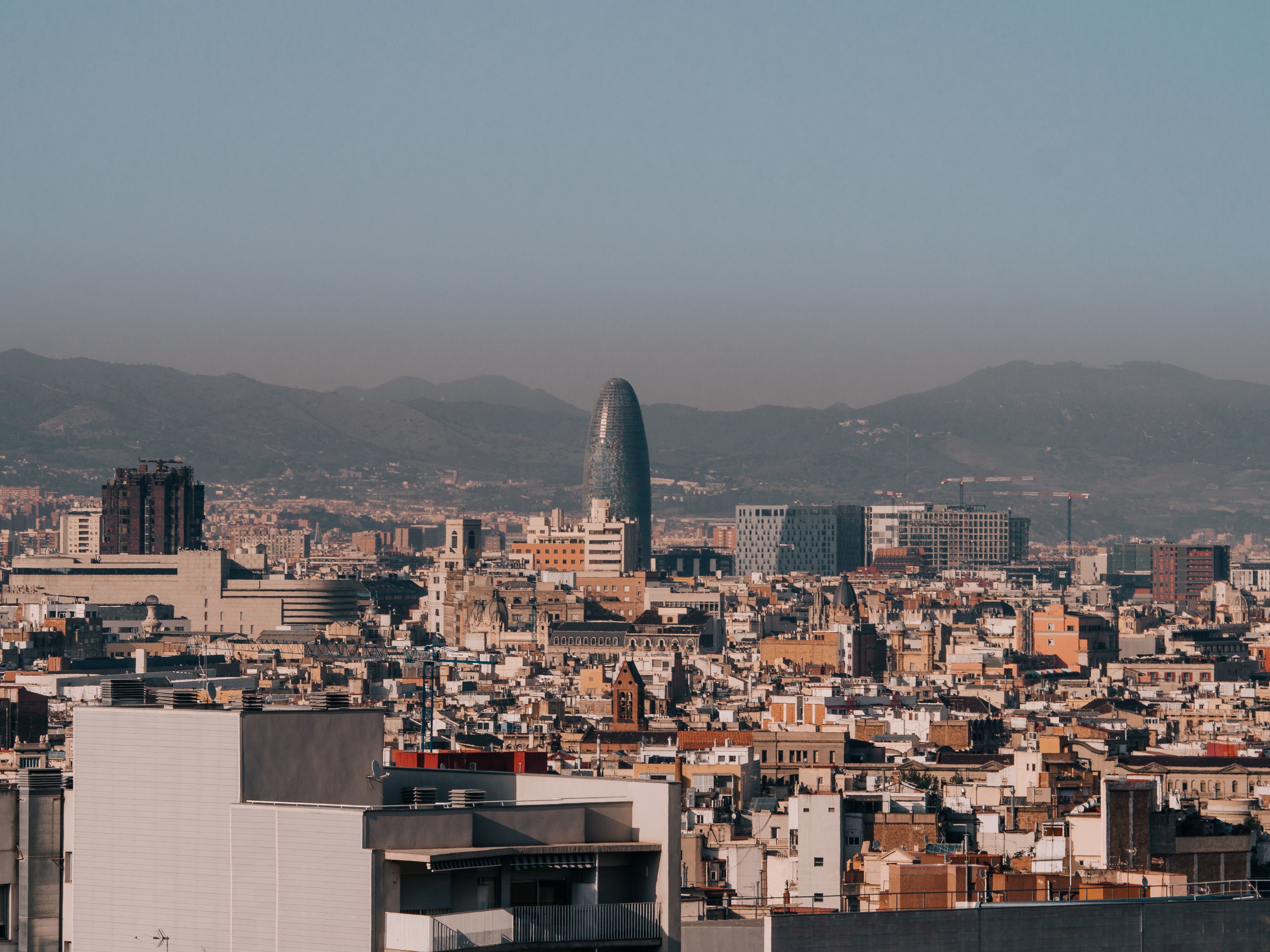
3 Days in Barcelona: The Perfect Mid-Range Itinerary for First-Timers
- Barcelona
- Spain
- Itinerary
- Mid-Range
- First-Timers
A perfect 3 days in Barcelona itinerary for first-timers on a mid budget: a walkable, area-by-area plan with timings, must-pre-book sights, lunch tips and real costs.
A good 3 days in Barcelona itinerary isn't a bucket list — it's a geography problem solved in advance. The city's icons are scattered: Gaudí's apartment blocks sit in the grid of Eixample, the medieval lanes huddle by the port, and the Sagrada Família and Park Güell are off on their own up the hill. Plan badly and you'll spend day two crossing town to backtrack to a sight you walked past on day one. Plan well — grouped by area, with the pre-book traps flagged — and three days is genuinely enough to see the best of it without rushing or overspending.
This plan is built for first-timers on a comfortable mid budget: couples, friends and families who want a realistic, walkable pace. Each day stays in one corner of the city. The three sights that turn people away at the door if they show up without a ticket — Sagrada Família, Park Güell and Casa Batlló — are flagged clearly. And there's a money-saving move baked into every afternoon: the Spanish menú del día lunch. First, where to sleep, because that decides how much of these three days you spend walking versus riding.
Where to base yourself for these 3 days
The single best thing you can do for a short Barcelona trip is sleep in the middle. Get this right and most of the itinerary below is walkable from your front door; get it wrong and you'll burn an hour a day on the metro.
For most first-timers, base yourself in Dreta de l'Eixample — the right-hand side of the Eixample grid, around Passeig de Gràcia above Plaça de Catalunya. A local neighborhood guide calls it bluntly "as central as it gets," with Gaudí's houses on the doorstep and the Gothic Quarter, La Rambla and the metro lines all within reach (Go Ask A Local). You can walk to two of the three days from here, and the metro to the third. The trade-off: it's the priciest central pocket and parts of Passeig de Gràcia are touristy — book a side street a block or two off the main boulevard for quieter nights and better value.
Three solid alternatives, depending on what you want:
- El Born — the prettiest old-town base: medieval architecture, narrow lanes and "less touristy" than the Gothic Quarter next door (Go Ask A Local). Great for atmosphere and dinners; you trade a little walkability to the Gaudí houses.
- Gràcia — a "charming, bohemian area" with a more authentic, local feel and excellent cafés and bars (Go Ask A Local). Best if you'd rather sleep in a real neighborhood; it's nearest to Park Güell but a metro ride from the old town.
- Gothic Quarter (Barri Gòtic) — the heart of the city and walkable to everything including the beach, but be warned it's "extremely busy" and noisy in the thick of it (Travel Choreography; Orange Donut Tours).
For the full area-by-area breakdown with specific mid-range hotels, see our guide to the best areas to stay in Barcelona for first-timers, and if it's a couples trip, where couples should stay in Barcelona. Use the map below to see what's actually available on your dates around the central core:
One rule before we start the days: book your hotel before your sights — your base decides your walking routes. Once your dates are locked, our pick of the best mid-range hotels in Barcelona narrows the shortlist.
Day 1 — Eixample & the Gaudí houses (Passeig de Gràcia)
Start gentle and stay in the grid. Day one is Gaudí's "greatest hits in one walkable line" along Passeig de Gràcia (Finding the Universe), and it's the day with the least walking — ideal for shaking off the flight.
Morning — Casa Batlló (pre-book). Begin at Antoni Gaudí's most theatrical building, the bone-and-scale facade at Passeig de Gràcia 43. It opens early — daily from 8:30am — and the basic Silver self-guided ticket with the SmartGuide tablet starts around €29 online; box-office prices run €4–€15 higher and peak slots sell out weeks ahead, so book ahead (The Better Vacation – Casa Batlló; Barcelona.com – Casa Batlló). An 8:30–9:00am slot gets you in before the boulevard fills. Give it 60–90 minutes.
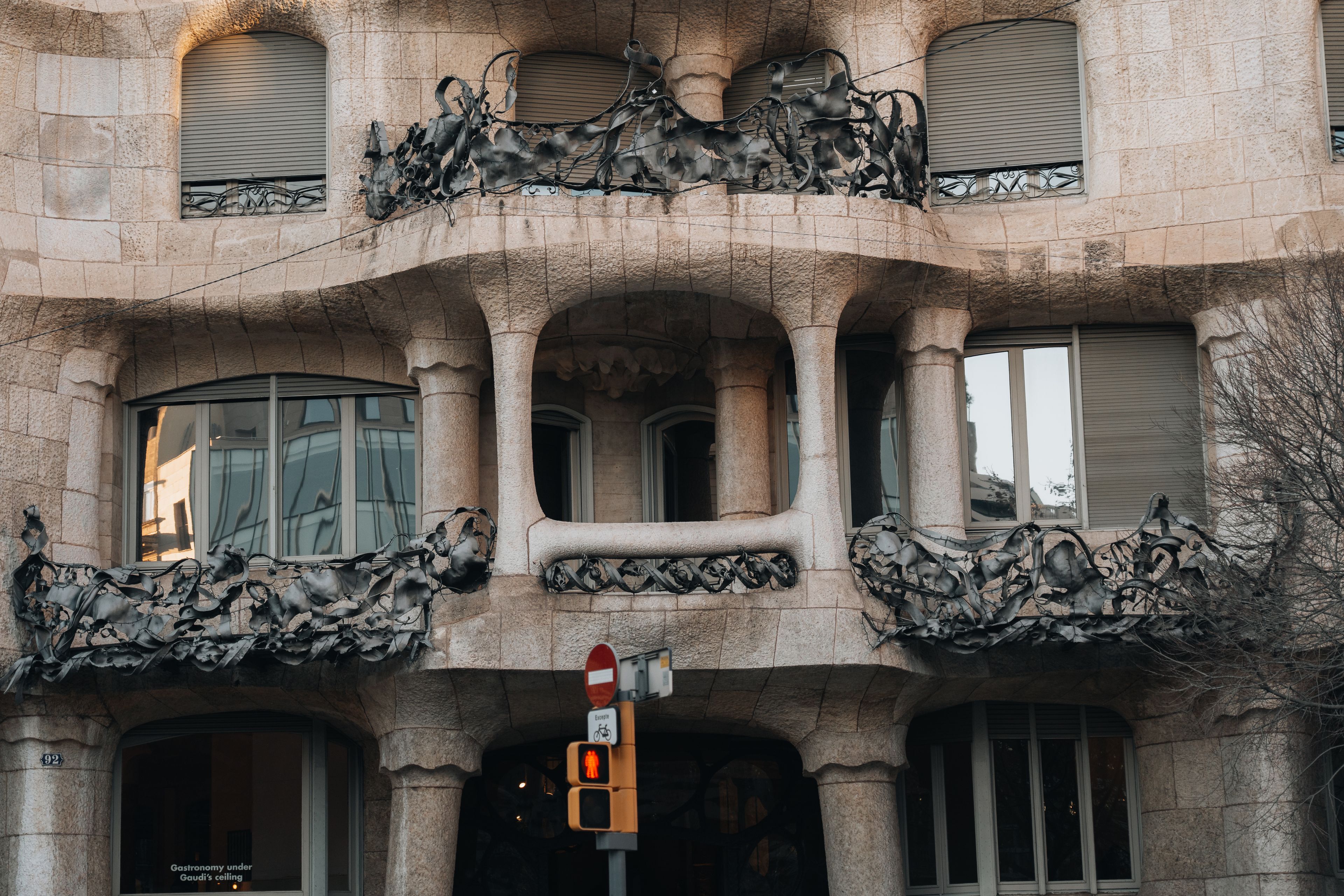
Late morning — walk up to La Pedrera (Casa Milà). It's a five-minute stroll north along Passeig de Gràcia to Gaudí's wavy stone apartment block, famous for its rooftop of chimney-warriors. The Essential daytime ticket starts around €25 online with audio guide, and summer hours run roughly 9am–8:30pm (Barcelona Life – Casa Milà; Museos.com – La Pedrera). Two Gaudí houses in one morning is plenty — most people pick one to go inside and admire the other from the street if budget is tight.
Lunch — your first menú del día. This is the single best value move in Barcelona. On weekday lunchtimes, restaurants offer a fixed two-to-three-course menu with bread and a drink, typically €10–€15 — the same kitchen charges far more à la carte at dinner (Devour Tours; Runner Bean Tours). Locals sit down around 1:30–3:30pm, so aim for 1:30 and step a few streets off Passeig de Gràcia, where prices drop and quality rises.
Afternoon — Block of Discord & wander. After lunch, see the rest of the Illa de la Discòrdia (the run of competing Modernista facades), then drift down toward Plaça de Catalunya, the square where old and new Barcelona meet (Earth Trekkers). It's a relaxed afternoon by design — you'll need the energy for days two and three.
Evening. Remember dinner is late here: restaurants sit empty until about 9pm, when locals arrive (Runner Bean Tours). Have a drink first, then eat the way the city does.
Day 2 — Old town & the waterfront (Gothic Quarter, La Rambla, La Boqueria, Barceloneta)
Day two is the medieval core and the sea, and it flows downhill toward the water in one logical line — no backtracking (Go Ask A Local).
Morning — La Rambla & La Boqueria, early. Start on La Rambla before the crowds and the pickpockets wake up. About halfway down on the right is the Mercat de la Boqueria, the cathedral of a market where locals have shopped since the 1800s — go for breakfast at a counter stool, not lunch when it's mobbed (Earth Trekkers).
Late morning — Gothic Quarter & the Cathedral. Duck east off La Rambla into the Barri Gòtic, a maze of Roman-era lanes (Finding the Universe). The free-to-enter streets are the attraction — Plaça Reial, Plaça del Rei, the Cathedral's goose-filled cloister. This is a wander, not a ticket queue; budget a couple of unhurried hours.
Optional add — Picasso Museum (El Born). Keep walking east into El Born for the Museu Picasso, set across five Gothic palaces. General admission runs around €12–€15, it's closed Mondays, and entry is free on the first Sunday of the month and Thursday afternoons 4–7pm (Oct–Apr) (Museos.com – Picasso Museum; The Better Vacation – Picasso Museum). If you time it to a free slot, it's a no-brainer; otherwise it's an easy skip if the day's running long.
Lunch. Another menú del día — El Born and the Gothic Quarter are full of them off the main drags. Same rule: weekday lunch, from ~1:30pm, €10–€15.
Afternoon — Barceloneta & the beach. From El Born it's a flat ~15-minute walk through Parc de la Ciutadella down to the old fishermen's quarter of Barceloneta and the sand (Go Ask A Local). The whole old-town-to-beach route is "almost all flat and pedestrian" (Finding the Universe). End the day with your feet in the Mediterranean and a seafood dinner by the water.
Day 3 — Sagrada Família, Park Güell & a hilltop finish
Day three has the two heavyweight pre-books and the most ground to cover, so it needs the tightest planning — and the earliest start.
Morning — Sagrada Família (pre-book, non-negotiable). Gaudí's unfinished basilica is the one sight you absolutely cannot wing. Tickets are sold online only — there's no ticket office — and they're nominative, meaning the name on the ticket must match a photo ID you bring (Barcelona.com – Sagrada Família; Sagrada Família Tickets info). The basic entry-with-audio ticket starts around €26 officially (a tower-access combo runs higher, around €36), and 2026 is Gaudí's centenary year, so expect a small surcharge of roughly €2–€5 and slots filling several days ahead (Barcelona.com – Sagrada Família). Hours run about 9am–8pm in summer and 9am–6pm in winter, opening later (around 10:30am) on Sundays for morning mass (Sagrada Família Tickets info). Book the first morning slot you can. Allow 75–90 minutes; the interior light is the point.
Midday — Park Güell (pre-book the Monumental Zone). Head north to Gaudí's mosaic park. The catch most first-timers miss: the free public park is huge, but the famous bit — the serpentine bench, the tiled lizard, the gingerbread gatehouses — is the ticketed Monumental Zone, and it's timed-entry with advance booking strongly advised because capacity sells out (Park Güell official – prices & times). The official site lists adult admission at €18; some reseller and guide sources quote lower bands around €13, so treat €13–€18 as the realistic range and buy from the official site to be sure (Park Güell official – prices & times; Tourism Attractions – Park Güell). It opens from 9:30am, with last entry 30 minutes before closing (Park Güell official – prices & times). Note it's uphill from the metro — factor in the climb. Allow 1.5–2 hours including travel.
Lunch — Gràcia. Park Güell sits right above Gràcia, so come down the hill for lunch in its village squares — one more menú del día in a neighborhood that actually lives there (Go Ask A Local).
Afternoon — pick your finish. Two good options depending on energy:
- Montjuïc for the view. Ride the Telefèric de Montjuïc cable car up the hill — about a 5-minute ride, roundtrip from roughly €17, hop-on-hop-off at three stations including the castle (Barcelona Life – Montjuïc Cable Car; Teleamfèric de Montjuïc official). Good for sunset over the city and sea.
- Stay in Gràcia if your legs are done — its plazas, vermouth bars and slow evening pace are a fine, low-effort way to close out the trip.
Your 3 days in Barcelona itinerary at a glance
Here's the whole itinerary in one table — what each day covers, what you must book ahead, roughly how long it needs, and the mid-range cost note. Ticket figures are bands, verified to current sources but always confirm live before you book, as 2026 includes a Gaudí-centenary surcharge.
| Day | Area | Highlights | Must pre-book? | Rough time | Mid-range cost note |
|---|---|---|---|---|---|
| Day 1 | Eixample / Passeig de Gràcia | Casa Batlló, La Pedrera, Block of Discord, Plaça de Catalunya | Yes — Casa Batlló (and La Pedrera in peak) | Half-to-full day, light walking | Casa Batlló from ~€29; La Pedrera from ~€25; lunch €10–€15 |
| Day 2 | Old town + waterfront | La Rambla, La Boqueria, Gothic Quarter, Cathedral, El Born, Barceloneta | Optional — Picasso Museum (free first Sun) | Full day, flat walking | Mostly free wandering; Picasso ~€12–€15; lunch €10–€15 |
| Day 3 | Sagrada Família → Park Güell → Gràcia/Montjuïc | Sagrada Família, Park Güell Monumental Zone, Gràcia, Montjuïc cable car | Yes — Sagrada Família + Park Güell | Full day, some uphill | Sagrada Família ~€26–€36; Park Güell ~€13–€18; cable car ~€17 |
The pattern that makes it work: the two unmissable pre-books (Sagrada Família, Park Güell) sit together on day three so a single early start covers both; the Gaudí houses cluster on day one; and the free, walkable old town fills day two so you're not paying for tickets every hour.
Practicalities: transit, money and timing
Getting around. You'll walk most of this, but for the hops — hotel to Sagrada Família, up to Park Güell, out to Montjuïc — the metro is fast and cheap. A single ride is €2.90, but the T-casual 10-journey card is far better value at €13.00 for zone 1 — note it's single-user (you can't share one card across your group), but it covers all of your own hops (TMB official fares). If you'll ride a lot and want the airport included, the Hola BCN unlimited travel card runs about €27.30 for 72 hours (Travel Guide Barcelona – tickets). For three days of mostly-walking, two T-casual cards usually beat the unlimited pass — do the math for your group.
Eating on the clock. Two timing facts shape every day here: lunch is the big, cheap meal (menú del día, weekday lunchtimes, ~€10–€15) and dinner doesn't really start until 9pm (Runner Bean Tours). Lean into it — a proper midday menú and a late, lighter dinner is both cheaper and more local than eating à la carte at 7pm in a tourist-strip restaurant.
What 3 days costs, mid-range. Beyond your hotel, a comfortable mid-range day in Barcelona runs roughly €120–€180 per person, covering a sight or two, a menú-del-día lunch, dinner, coffees and metro (Machu Picchu – Barcelona Budget Guide 2026). Across three days that's loosely €360–€540 per person on top of accommodation — flagged as a planning band, not a quote; your actual total swings with how many paid Gaudí sites you do. One thing to budget separately: Barcelona doubled its tourist tax in April 2026, so add a few euros per person per night on top of your room rate (Machu Picchu – Barcelona Budget Guide 2026).
The booking order that saves the trip. Lock these in this sequence: (1) your central hotel; (2) Sagrada Família and Park Güell timed slots; (3) Casa Batlló; (4) everything else, which you can wing. The first two pre-books are the ones people get turned away from.
FAQ
Is 3 days enough for Barcelona? For the highlights, yes. Three days comfortably covers the Gaudí houses, the old town and beach, and Sagrada Família plus Park Güell — provided you group by area (as above) so you're not crossing the city. It's not enough for day trips (Montserrat, Girona) or a deep dive into the museums; it is enough for a great, well-paced first visit.
What would a 4th day add? A fourth day buys you breathing room and one of: a day trip to Montserrat or the Costa Brava; the Gaudí houses you skipped on day one; Montjuïc done properly (Joan Miró Foundation, the castle, the Magic Fountain); or simply a slower pace with more beach and café time. If you have it, the trip stops feeling efficient and starts feeling like a holiday.
Which Barcelona sights must I book in advance? Three, in priority order: Sagrada Família (online-only, nominative tickets, sells out days ahead, worse in the 2026 centenary year), Park Güell Monumental Zone (timed entry, advance strongly advised), and Casa Batlló (peak slots go weeks ahead). La Pedrera is wise to pre-book in summer; the Gothic Quarter, La Rambla and beach need nothing.
When should I visit the Sagrada Família — morning or evening? Book the earliest morning slot you can. It puts the basilica first while you're fresh, beats the midday crowds, and leaves the afternoon for Park Güell and your hilltop finish. The stained-glass light is spectacular at most hours, but morning slots also tend to sell out last.
Ready to plan it?
Three days in Barcelona works when the geography and the pre-books are sorted before you arrive — and both start with where you sleep. Pick a central base in Eixample or the old-town core, book your Sagrada Família and Park Güell slots the moment your dates are firm, and the rest of this plan falls into place on foot.
Sort the base first. Use the maps above to see what's free on your dates, then check live rates so you can lock a central room before the good ones go:
Check live rates for central Barcelona stays on Expedia →Planning the wider trip? Our mid-range Barcelona travel guide ties the neighborhoods, sights and budgets together, and our best mid-range hotels in Barcelona shortlists where to actually book.
Sources
- Go Ask A Local — 3-Day Barcelona Itinerary (a local's guide): goaskalocal.com
- Finding the Universe — 3 Days in Barcelona: A Complete Itinerary (2026): findingtheuniverse.com
- Earth Trekkers — 3 Days in Barcelona: The Perfect Itinerary: earthtrekkers.com
- Travel Choreography — Where to Stay in Barcelona for First-Time Visitors: travelchoreography.com
- Orange Donut Tours — Where to Stay in Barcelona (Eixample, Gothic or Gràcia): orangedonuttours.com
- Barcelona.com — Sagrada Família Tickets 2026: barcelona.com
- Sagrada Família Tickets (info) — 2026 entry guide: sagradafamiliatickets.info
- Park Güell (official) — Prices and times: parkguell.barcelona
- Tourism Attractions — Park Güell Monumental Zone tickets & 2026 guide: tourismattractions.net
- The Better Vacation — Casa Batlló Tickets 2026: thebettervacation.com
- Barcelona.com — Casa Batlló Tickets: barcelona.com
- Barcelona Life — Casa Milà (La Pedrera) tickets: barcelona-life.com
- Museos.com — La Pedrera / Casa Milà tickets and prices 2026: museos.com
- Museos.com — Picasso Museum tickets and prices 2026: museos.com
- The Better Vacation — Picasso Museum Barcelona 2026: thebettervacation.com
- Barcelona Life — Montjuïc Cable Car tickets & timetable 2026: barcelona-life.com
- Telefèric de Montjuïc (official) — Barcelona Cable Car: telefericdemontjuic.cat
- TMB (official) — 2026 Barcelona metro & bus fares: tmb.cat
- Travel Guide Barcelona — Public transport tickets & travel cards (2026): travelguide.barcelona
- Devour Tours — How much locals spend on food in Barcelona: devourtours.com
- Runner Bean Tours — When to eat in Barcelona (a local timetable): runnerbeantours.com
- Machu Picchu — Barcelona Budget Guide 2026: machupicchu.org