
Where to Stay in Canggu for Digital Nomads: Best Neighborhoods for a Long Stay (2026)
- Canggu
- Bali
- Indonesia
- Digital Nomad
- Remote Work
Where to stay in Canggu for digital nomads: Batu Bolong, Berawa and Pererenan compared on wifi, coworking, quiet and monthly rent — with a clear long-stay base pick.
For a one-week holiday, the Canggu neighborhood you pick barely matters — you'll scooter everywhere anyway. For a month-plus working stay, it's the single decision that sets your daily rhythm and most of your rent. Where to stay in Canggu for digital nomads isn't a vibe question; it's whether your morning standup happens over fast fibre or a dropping signal, whether your 5pm calls compete with a beach-club DJ, and whether you're paying Berawa villa rates or Pererenan rice-field rates for the same 1-bedroom.
Short version: most working nomads should base in Berawa or Pererenan, not Batu Bolong. Batu Bolong is the social, walkable core everyone lands in first — and it's the loudest, most congested, and pricey-for-what-you-get tier once you're staying months. Living in Berawa or Pererenan instead "gets you lower rent, less noise, and still a 5-minute scooter ride from the action" (Nomads in Asia). Pick Berawa if you want polish, the best food, and a longer-stay crowd; pick Pererenan if you want quiet, rice fields, and the cleanest deep-work environment. The rest of this guide is the four real choices — graded on the things a copied OTA area page never tells you: wifi and coworking density, call-friendly quiet, scooter time to the core and the beach, and a realistic monthly-rent band.
First, the rule that decides your Canggu month: rhythm and rent, not vibe
Two facts reframe the whole map for a stayer.
One: Canggu is not a walking town between neighborhoods. It's "spread out and not pedestrian-friendly," and the areas "aren't always within easy walking distance" of each other (Bali Holiday Secrets). You walk within your area to a café or the beach; you scooter between areas. Getting between Batu Bolong, Berawa and Pererenan runs 5–20 minutes by scooter depending on traffic — but the Batu Bolong–Berawa shortcut is "one of Bali's worst pinch points at 5–7 PM" (Rimbun), and rush hour (roughly 8–10am and 4–7pm) "can feel like proper gridlock" in high season (Bali Holiday Secrets). For a stayer that matters daily: where you sleep decides whether your commute to a desk is two minutes or a sweaty twenty.
Two: Canggu is the pricey end of Bali. This isn't Ubud, where you can be sloppy with the map and still come out cheap. Asking rents for a 1-bedroom villa with a pool hit roughly 12–18 million IDR a month in 2026 (about $760–$1,140), up from 10–15 million a year earlier (Asia Lifestyle Magazine). The area swings that band by hundreds of dollars a month, so your neighborhood choice carries real financial weight here.
Hold those two facts — your area sets your daily commute and your rent — and the four real options sort themselves.
New to the wider picture? Start with our Canggu digital nomad guide to where to stay, work and live, and for the month-by-month money, see our Canggu monthly cost-of-living breakdown.
Berawa — the best all-round base for a longer stay
If you want one answer for a month or more, it's Berawa. It's "matured into Canggu's most refined neighborhood" — polished, restaurant-heavy, with better footpaths than Batu Bolong and "without the same noise ceiling" (Rimbun). It draws "a slightly older, longer-staying crowd" (Roavara), which is exactly who you want as neighbors when you're here to work, not party. It's also the densest cluster of coworking and gyms that a remote worker actually uses day to day (Digital Nomad Lifestyle).
Who it suits: the nomad who wants comfort and community without the chaos — couples, longer-stay solos, anyone who values good food and a real night's sleep over being two steps from the cheapest dorm. It's the most first-timer-friendly of the longer-stay options.
- Wifi & coworking: the strongest everyday-work cluster in Canggu. Outpost Canggu, a 10-minute walk from Berawa Beach, runs about $195/month unlimited (designated desk from ~$232), with 24/7 access and a community-events calendar (Sunshine Seeker). SOKKOOL sits here too — private rooms with 24/7 coworking, pool, gym and a podcast studio, pitched at solo nomads (Finns Beach Club). Café and villa wifi across Canggu typically holds 60–85 Mbps down / 40–80 up, with newer fibre villas at 100–300 Mbps (Orasim).
- Call-friendly quiet: good for the area — quieter than Batu Bolong, though the beach-club strip (Finns, Atlas) means book a villa set back from Jalan Pantai Berawa, not on it.
- Scooter to core/beach: about a 10-minute scooter east of Batu Bolong on a clean run (Rimbun); walkable within Berawa to its cafés and Berawa Beach.
- Monthly-rent band: $$$ — "Berawa has become expensive," with villas and quality hotels "commanding premium pricing," especially anything with a pool (Roavara). Expect the top of (and sometimes above) the 12–18M IDR 1-bedroom band.
- The honest trade-off: money and traffic. You pay the most here, and that 10-minute hop to Batu Bolong can crawl in the 5–7pm crush on the shortcut (Rimbun).
Best base for most working nomads: Berawa, in a villa or apartment set back off the main beach road. You get the best food, the strongest coworking cluster, a longer-stay crowd, and a real night's sleep — and you absorb the higher rent in exchange for the area that makes a working month easiest.
Because nomads weigh this over weeks and book once dates firm up, the smart move is to scan live monthly-friendly stays now and lock it later. Check live rates for monthly-friendly stays in Berawa on Expedia and come back to it within the week.
Pererenan — the deep-work pick (if you'll commit to the scooter)
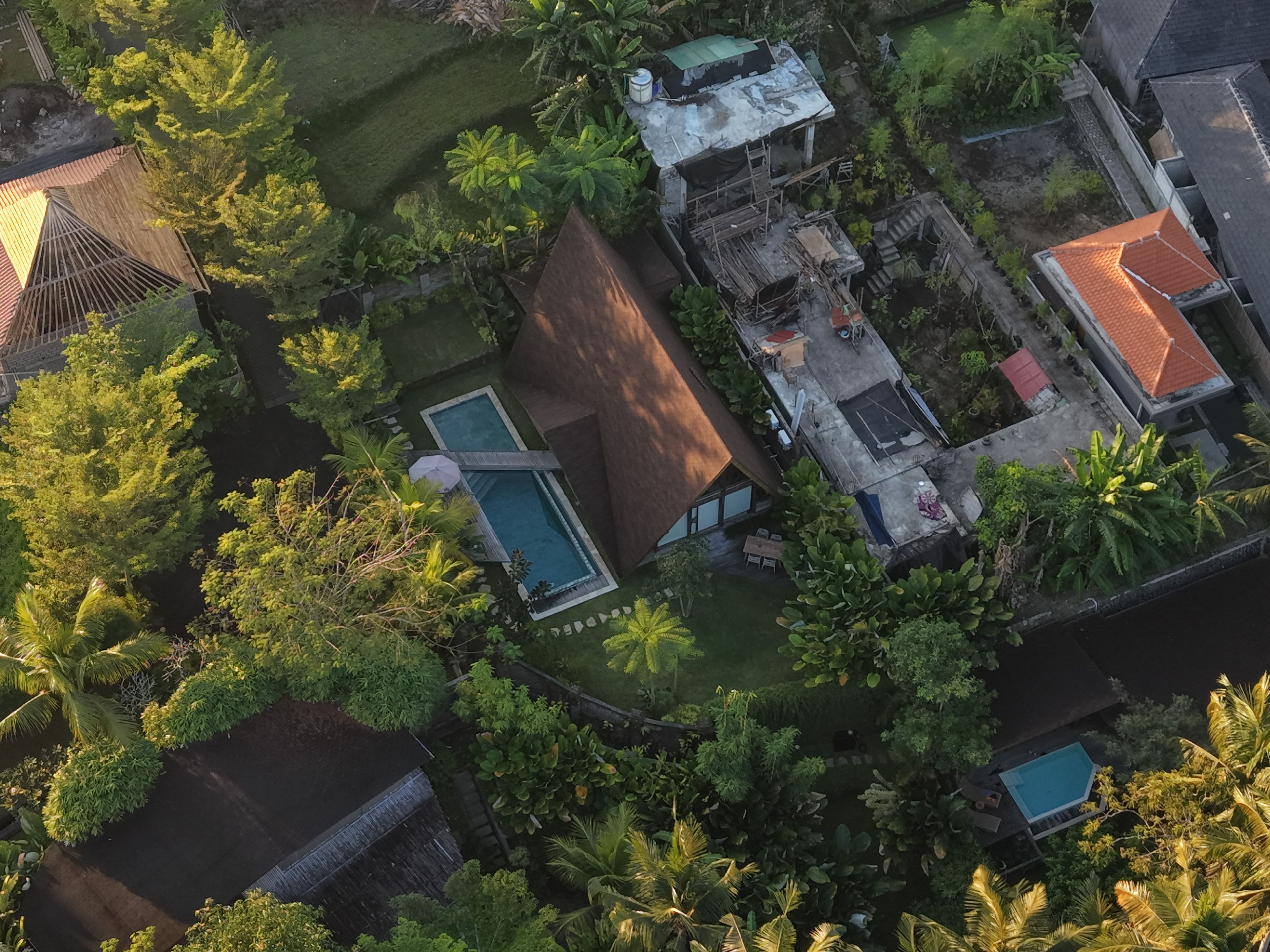
If your work is heads-down and your calendar is call-heavy, this is the one. Pererenan is "Bali at a slower speed" — rice fields, thinner motorbike traffic, and a feel closer to "the island that existed before Instagram found it" (Rimbun). Across guides it's the consistent pick as the "quieter, more local" rising star "ideal for longer stays" (Digital Nomad Lifestyle). For a nomad who measures a good day in focused hours rather than people met, the calm is the feature.
Who it suits: deep-work solos, light sleepers, experienced nomads who already have their crowd, couples who want wellness over nightlife. Less ideal for a first-timer who wants the social scaffolding handed to them.
- Wifi & coworking: quietly excellent. Tribal Bali is the social anchor — a coworking-hostel with strong wifi, a pool and food, with free coworking for guests and a 100,000 IDR minimum spend for non-guests (Sunshine Seeker). For coliving, Outsite Pererenan runs a shared villa with 91 Mbps fibre and communal dinners (Finns Beach Club), and The Hub Pererenan does studios with kitchenettes, ergonomic chairs and a lap pool, aimed at "older nomads who value privacy and tranquility" (Finns Beach Club). Work-café density is real here too — Miel and Koloni among them (Digital Nomad Lifestyle).
- Call-friendly quiet: the best of the four. Thin traffic and minimal nightlife make this the area where a midday video call isn't a gamble.
- Scooter to core/beach: about a 5-minute scooter to central Canggu (Bucket List Bombshells); roughly a 10-minute walk to the beach from many stays. You will need a scooter or ride-hailing — "you will need a scooter or ride-hailing app" out here (Rimbun).
- Monthly-rent band: $$–$$$ — better value than Berawa for comparable space, the consistent "lower rent" play of the longer-stay areas (Nomads in Asia), though no longer cheap as it's gentrified. The trendy cafés price like the centre, so the savings land in your rent, not your flat white.
- The honest trade-off: it needs wheels and a degree of self-sufficiency. Minimal nightlife on the doorstep and a scooter-dependent daily life mean it can feel isolating if you wanted the scene to come to you.
Torn specifically between these two longer-stay favorites? We settle it in Berawa vs Pererenan for nomads on a long stay.
Batu Bolong — the social core, but the worst place to actually work
Batu Bolong is where almost everyone lands first, and the appeal is obvious: it's the central, walkable "heart of Canggu — busy, vibrant," with the iconic cafés, the surf shops, and Old Man's break a stroll away (Digital Nomad Lifestyle). For a first week, or a social-first nomad who'll work from cafés and wants the scene on the doorstep, it's a fair pick. For a focused working month, it's the one I'd talk most people out of.
Who it suits: social, surf-first nomads on shorter stays who prioritize walkability and nightlife over quiet and value, and who genuinely thrive working amid activity.
- Wifi & coworking: café-dense and wired — Canggu's headline café wifi speeds (think SatuSatu, Two Faces, Kawisari) cluster around 75+ Mbps and sit in and around here (Digital Nomad Lifestyle). What it lacks is the heavyweight dedicated coworking that Berawa has; you'll lean on cafés, which is fine for solo work and poor for calls.
- Call-friendly quiet: the weakest of the four. It's "loud, dense, and energizing," with "scooters and tourists pack[ing] the main road by midday" (Rimbun) — great energy, bad for a board call.
- Scooter to core/beach: you're at the centre — walk to the beach and the cafés, no scooter strictly needed for daily life, which is its one genuine long-stay advantage.
- Monthly-rent band: $$ — central, so pricier than Pererenan but generally below Berawa (Rimbun). You pay a centrality premium and, crucially, you pay it for the noisiest, most congested address.
- The honest trade-off: noise and crowding. "If you planned a quiet retreat, you will feel its absence keenly" (Rimbun) — double so for anyone trying to string together focused workdays.
Umalas & Kerobokan — the value-and-quiet fringe (if you'll commute in)
Just inland, Umalas and Kerobokan are the move for nomads who want Canggu access on a calmer, often cheaper footing. They "can give better value than central Canggu or Seminyak while still keeping you close to both," with "larger land plots, and calmer surroundings while keeping you within a 10–15 minute ride from the beach, supermarkets, and schools" (Bali Coconut Living). Kerobokan in particular reads as "a quiet home environment with fast access to Bali's best lifestyle destinations," drawing nomads "who prefer more affordable housing than Canggu, but still want easy access to cafés and coworking spaces" (Bali Home Immo).
Who it suits: value-minded longer-stayers, couples and small families wanting space, anyone who'll happily trade a daily commute for lower rent and a quiet street.
- Wifi & coworking: thinner on the ground than Berawa or Pererenan — you'll commute to a desk. The standout is Nomad Hub in Umalas, a "very homey" coliving with a queen room plus coworking around 9,000,000 IDR/month (about $570) and private 1–4 bedroom villas (Finns Beach Club). Villa fibre here matches the rest of the area when you find the right place.
- Call-friendly quiet: strong — these are residential areas; quiet for calls is the point. "Noise-sensitive families often prefer Umalas or Pererenan" (Bali Coconut Living).
- Scooter to core/beach: roughly 10–15 minutes by scooter to Berawa/Batu Bolong and the beach (Bali Coconut Living) — the longest daily commute of the four, and squarely in the 4–7pm traffic when you head out at sunset.
- Monthly-rent band: $$ overall, but verify the specific pocket. Most sources frame Umalas/Kerobokan as the value fringe, yet parts of Umalas have gone upmarket — one nomad guide calls it "one of the island's most exclusive areas" where "rent prices here are way above average" (Bucket List Bombshells). So the value is real but not uniform — compare actual listings before you commit.
- The honest trade-off: you're not in Canggu, you're near it. Less café-dense, a real daily commute, and you give up the roll-out-of-bed-into-the-scene appeal entirely.
Canggu neighborhoods for nomads, compared at a glance
| Area | Vibe for living | Wifi / coworking density | Call-friendly quiet | Scooter to core / beach | Monthly-rent band | Best for which nomad |
|---|---|---|---|---|---|---|
| Berawa | Refined, food-led, longer-stay crowd | Strongest (Outpost, SOKKOOL) | Good (off the club strip) | ~10 min to Batu Bolong; walk to beach | $$$ | Comfort-and-community all-rounders, couples |
| Pererenan | Quiet, rice-field calm, local | Strong (Tribal, Outsite, work cafés) | Best of the four | ~5 min to core; ~10-min walk to beach | $$–$$$ | Deep-work solos, call-heavy, light sleepers |
| Batu Bolong | Loud, social, surf-and-café core | Café-dense; weak dedicated coworking | Weakest | You're at the centre — walk it | $$ | Social, surf-first, shorter stays |
| Umalas / Kerobokan | Residential, calm, more space | Thin (commute to a desk) | Strong | ~10–15 min to core & beach | $$ (verify the pocket) | Value-seekers, families, quiet-first |
Band key for a 1-bedroom: $$ = below the Canggu villa average · $$$ = at/above the 12–18M IDR (~$760–$1,140) 1-bedroom-with-pool band (Asia Lifestyle Magazine). Rates spike in the July–August and December peaks, and month-to-month flexibility adds ~20% over a 6–12-month lease, so always check live prices for your dates.
What a working month in Canggu actually costs
Because you're booking weeks, not nights, the honest comparison is monthly. Here's a realistic mid-range solo nomad budget — your rent line is the one your neighborhood choice swings hardest.
| Line item | Monthly (IDR) | Monthly (≈USD) | Note |
|---|---|---|---|
| Rent — 1-BR villa w/ pool | 12–18M | $760–$1,140 | Higher in Berawa; lower in Pererenan/Umalas (Asia Lifestyle Mag) |
| Coworking (3–4 days/week) | 1.8–2M | ~$115–$130 | Outpost ~$195 unlimited; day pass ~$15 (Sunshine Seeker) |
| Food (mixed warung + cafés) | 5–7M | $320–$445 | Warung plate 20–30k; western meal 80–120k (Asia Lifestyle Mag) |
| Scooter rental + fuel | ~1–1.2M | ~$65–$75 | 750k–1M rental + ~200k fuel (Asia Lifestyle Mag) |
| SIM / data (50GB) | 150k | ~$5–$6 | Telkomsel/XL; keep an eSIM as backup (Digital Nomad Lifestyle) |
| Utilities (electricity) | 800k–1.5M | ~$50–$95 | AC use drives this; some rentals include it (Asia Lifestyle Mag) |
That lands a comfortable solo month around 30–38M IDR ($1,900–$2,400), with a bootstrapped version (shared room, mostly warung, less coworking) closer to 18.5–22M IDR ($1,170–$1,390) (Asia Lifestyle Magazine) — broadly matching the ~$1,975/month nomad average Nomads pins to Canggu (Nomads). Canggu runs noticeably pricier than Ubud, which is exactly why the area you pick here pulls real weight.
Coliving or your own monthly rental?
Two genuinely different setups, and the right call depends on your stay length and how much you want handed to you.
- Coliving buys you a soft landing and an instant community: a furnished room, 24/7 coworking, cleaning, a pool and a built-in social calendar with zero setup. The catch is price — the established Canggu colivings start around $999/month and climb (Tropical Nomad from ~$999; Shashvata roughly $1,000–$1,800 depending on room) (Finns Beach Club; Digital Nomad Lifestyle). For a first month, or a one-month stay, that premium is often worth it. Because colivings are usually booked direct and rarely sit on the OTAs, use the area maps above to scout the neighborhood, then approach the specific space directly.
- Your own monthly villa wins on value and space for longer stays — but it's a real setup job. Most landlords now want two months upfront (deposit + first month), leases run 6 or 12 months, and month-to-month adds ~20% (Asia Lifestyle Magazine), and the best deals are found on the ground through local agents and Facebook groups, not pre-booked online. The play most veterans run: land in a coliving or serviced apartment for the first few weeks, then sign a villa once you know which lane you want to live on.
For the deeper coliving-by-coliving breakdown, see the best coliving in Canggu for monthly stays, and for desks specifically, the best coworking in Canggu for fast wifi.
Where to stay in Canggu for digital nomads, by the nomad you are
- Want the easiest all-round working month (food, community, a real desk nearby)? Berawa — and absorb the higher rent for it.
- Here to put your head down on deep work and calls? Pererenan — commit to the scooter, bank the quiet.
- Social, surf-first, and on a shorter stay where walkability beats focus? Batu Bolong — eyes open on the noise.
- Optimizing for value, space and quiet, and fine with a daily commute? Umalas or Kerobokan — verify the specific pocket's rent first.
The mistake to avoid is defaulting to Batu Bolong because it's the name you knew before you arrived — for most people it's the right pick for a holiday and the wrong one for a working month, a centrality premium paid for the loudest, most clogged corner of Canggu. Match the area to how you actually work — heads-down vs social, call-heavy vs solo, value vs comfort — and the month sorts itself.
First-month logistics, the wet season, and the visa
A few stayer-grade realities the holiday guides skip:
- Wifi reality. Canggu has some of Bali's best connectivity, but it's bimodal: villa and coliving fibre runs 100–300 Mbps, while mobile data and weaker setups can sit far lower (Nomads pins the Canggu average around 25 Mbps, which reflects the mobile/median reality more than fibre) (Orasim; Nomads). Biznet generally outperforms Telkomsel for fixed lines (Digital Nomad Lifestyle). The fix: confirm the actual fibre speed of any monthly rental before you sign, keep a Telkomsel/XL eSIM as hotspot backup, and know that Starlink is now widely used across Bali as a reliable primary or backup line (Monis).
- Power. Outages happen but are rarely a dealbreaker in Canggu — most blackouts are short and maintenance-related, and you may not notice one all month (Bali Holiday Secrets). Still, the eSIM backup covers you for the call you can't miss.
- Wet season. Roughly November–March, but "rainy season in Bali doesn't mean non-stop rain" — it's short, heavy afternoon bursts with plenty of sun around them (Bali Holiday Secrets). It's a genuinely good value window: rates ease off the July–August and December peaks. Just budget for the odd flooded-lane scooter day.
- The scooter and the IDP. A scooter is close to mandatory for daily life outside Batu Bolong, running roughly 750k–1M IDR/month plus fuel (Asia Lifestyle Magazine). Carry an International Driving Permit — guides flatly recommend getting one before you rent (Bali Holiday Secrets).
- The visa. Most nomads arrive on the e-VOA (30 days, ~$35, one 30-day extension to 60) (Digital Nomad Lifestyle). For a longer legal stay there's the E33G Remote Worker KITAS — a one-year permit, but it requires proof of ~$60,000 annual income from a foreign employer/clients plus a $2,000 bank balance, excludes Indonesian-sourced income, and is not renewable (you must exit and reapply) (IndoVisaGuide). Sort your visa before you fall in love with a 12-month lease.
FAQ
Where should digital nomads stay in Canggu for a long stay? Berawa or Pererenan for most. Berawa is the comfort-and-community all-rounder — best food, strongest coworking cluster (Outpost, SOKKOOL), a longer-stay crowd — at the highest rent. Pererenan is the deep-work pick: quiet, rice-field calm, and the best environment for focus and calls, at better value, if you'll commit to a scooter (Rimbun; Nomads in Asia).
Is Batu Bolong good for digital nomads? For a short, social, surf-first stay, yes — it's the walkable central core where you don't need a scooter. For a focused working month, it's the weakest: "loud, dense," congested by midday, café-dense but light on dedicated coworking, and the worst of the four for taking calls (Rimbun). Most working nomads do better in Berawa or Pererenan.
How much does it cost to live in Canggu as a nomad per month? A comfortable solo month runs roughly 30–38M IDR ($1,900–$2,400), a bootstrapped one 18.5–22M IDR ($1,170–$1,390) (Asia Lifestyle Magazine). Rent (a 1-BR villa with pool at 12–18M IDR) is the biggest line and the one your neighborhood swings most. Canggu runs pricier than Ubud, so the area you choose matters.
Is the wifi in Canggu good enough for remote work? Yes, in the right setup — coliving and villa fibre runs 100–300 Mbps and café wifi 60–85 Mbps down (Orasim) — but it's uneven, so confirm a rental's actual fibre speed before signing, keep a Telkomsel/XL eSIM as backup, and know Starlink is now a common backup line (Monis). Note that Dojo, the OG Canggu coworking, has permanently closed (Adventurely) — don't book it off an old listing.
Should I book a coliving or rent my own villa in Canggu? Coliving for a soft landing and instant community (furnished, 24/7 coworking, cleaning, social calendar) — but it starts around $999/month and up (Finns Beach Club). Your own monthly villa is better value and space for longer stays, but expect two months upfront, 6–12-month leases, and a ~20% premium for month-to-month (Asia Lifestyle Magazine). The common play: coliving first, then sign a villa on the ground once you know the area.
Ready to base yourself?
Pick your area first, then the stay — in that order, because in Canggu the neighborhood sets both your daily work rhythm and your rent. For most working nomads that means Berawa for comfort and community, or Pererenan for quiet and deep work; Batu Bolong only if you're social-first and short-stay; Umalas or Kerobokan if value and space win. Use the maps above to compare what's live for your dates, lean toward a monthly-friendly stay set back from the noise, and confirm the fibre speed before you commit.
Planning the wider move? Our Canggu digital nomad guide ties the areas, coworking and costs together, and the monthly cost-of-living breakdown runs the numbers in full.
Sources
- Rimbun Canggu — Where to Stay in Canggu Bali: Batu Bolong, Berawa & Pererenan Explained: rimbun.com
- Roavara — Best Areas to Stay in Canggu (2026): Batu Bolong, Berawa & Pererenan: roavara.com
- Digital Nomad Lifestyle — Canggu Digital Nomad Guide 2026 (WiFi speeds, areas, visa, scooter): digitalnomadlifestyle.com
- Nomads in Asia — Best Neighborhoods in Bali for Digital Nomads (Canggu vs Ubud vs Sanur): nomadsinasia.com
- Asia Lifestyle Magazine — Digital Nomad Cost of Living Bali 2026 (rent, food, coworking, scooter, leases): asialifestylemagazine.com
- Nomads — Cost of Living in Canggu (nomad total, rent, internet, score): nomads.com
- Sunshine Seeker — Top coworking spaces in Canggu 2026 (Outpost, BWork, Tribal, prices & hours): sunshineseeker.com
- Finns Beach Club — 15 Best Coliving Spaces in Canggu (SOKKOOL, Outsite, Tropical Nomad, Nomad Hub, prices): finnsbeachclub.com
- Bali Holiday Secrets — Visiting Canggu 2026 (walkability, rush-hour gridlock, IDP, wet season, power): baliholidaysecrets.com
- Bucket List Bombshells — Where to Stay as a Digital Nomad in Canggu (area-by-area, Umalas): bucketlistbombshells.com
- Bali Coconut Living — Apartments for Digital Nomads in Canggu (Umalas/Kerobokan value, ride times): balicoconutliving.com
- Bali Home Immo — Living in Kerobokan (peace + access, who it suits): bali-home-immo.com
- Orasim — Is Bali's Internet Speed Ready for Remote Work in 2026 (Mbps by café/villa, providers): orasim.io
- Monis — Rent Starlink Bali (backup internet for nomads): monis.rent
- IndoVisaGuide — Indonesia Remote Worker Visa 2026: E33G KITAS Guide (income, balance, renewal): indovisaguide.com
- Adventurely — The End of an Era: Dojo Bali Announces It's Closing: adventurely.app